
Metro
GTP Roundtable Conference: Dr Musa Highlights Challenges of the Transport Chain, Prefer Solutions


By Stella Okocha
The Chairman/chief Consultant, GLobal Transport Policy, Dr Oluwasegun Musa has revealed that Nigeria currently loses an estimated N3.2 trillion annually ($4 billion) to transport inefficiencies – gridlock, poor modal integration, and logistics fragmentation.
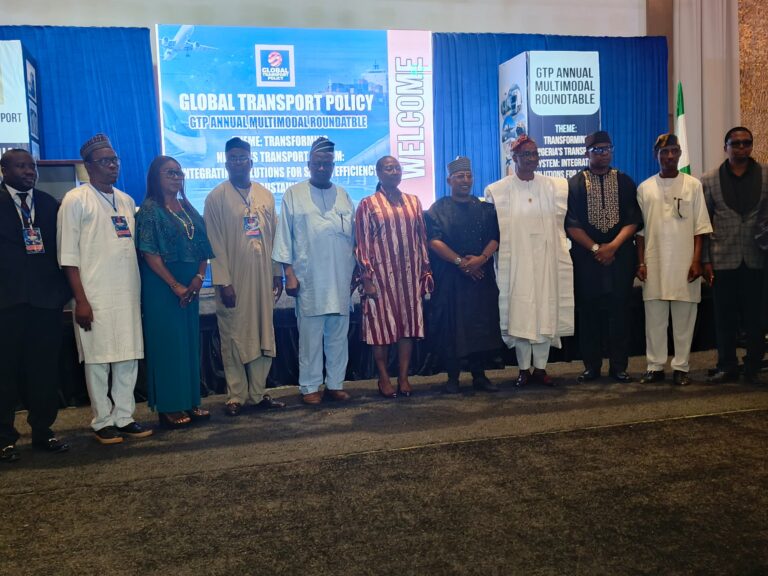
He revealed these statistics during the 2026 Global Transport Policy Multimodal Roundtable, with the theme “Transforming Nigeria’s Transport System: Integrating Solutions for Safety, Efficiency and Sustainability”, held on the 17th of June at the Marriott Hotel Ikeja, Lagos.
Musa stated that the gathering was a pivotal moment for Nigeria’s transport evolution, and the theme was not just a slogan but of strategic imperative.
According to him, “let me ground our discussion in data. Our logistics cost as a percentage of GDP stands of over 42% compared to a global best practice of under 15%. Road transport carries over 90% of freight and passengers, while rail moves less than 1% – a dangerous imbalance that inflates costs and emissions. Road traffic fatalities exceed 12.000 deaths per year according to recent FRSC data, with another 70,000 serious injuries. These are not mere numbers: they are economic drains and human tragedies”.
He highlighted that the Roundtable is anchored on three sub-themes, each supported by evidence to prefer solutions towards the losses experienced the transport system.
He pointed out that the first step is Strengthening Institutions and Investments – Driving a Resilient Workforce. “Only 18% of transport agencies have fully digitised workforce planning. We face a skills gap of over 200,000 trained logistics and multimodal professionals. Without deliberate investment in institutional capacity and human capital, no technology or infrastructure will deliver results. We must move from ad-hoc training to certified, continuous workforce resilience”.
Seamless Mobility – Driving Economic Growth through Integrated Transport Systems was another point Dr Oluwasegun mentioned.
“I have consistently said that, Cargo can move by rail to terminals, then be distributed by trucks or connected to airports and seaports. That is how an effective multimodal system works. Yet today, a container from Lagos to Kano can change hands five times and take two weeks. Integrated corridors can cut travel time by 40% and reduce logistics costs by 25-30%, directly lowering commodity prices and boosting GDP by an estimated 1.5%. The rail sector-cheaper, faster, and higher volume-must receive the strategic attention it deserves”.
The third emphasis was on Safe and Smart Mobility – Reimagining Transport Systems for a Greener Future.
Dr Segun noted that transport accounts for 28% of Nigeria’s carbon emissions from fossil fuel combustion figures rising at 6% annually; and Smart mobility (ITS, e-mobility, non-motorised transport) can slash emissions by 20% by 2030 while halving road crashes.
“We have the tools: we need the political will and cross-sector collaboration. I have always maintained that government cannot do it alone. Public-Private Partnerships, Build-Operate-Transfer models, and foreign direct investment are not optional, they are the engine of infrastructure delivery. We commend the federal government’s renewed focus on rail and inland waterways, but we must accelerate. Every year of delay adds N800 billion in avoidable logistics waste.

Integrate Security Awareness Into School Curriculum, Tantita Executive Urges FG

LASWA Calls For Homegrown Multimodal Transport Model

Tantita Security Calls For Overhaul Of Nigeria’s Maritime Security System

Dredgers Association Disowns Report Alleging Extortion Against Lagos Commissioner Alebiosu

Customs FOU Zone A Intercepts Five Live Pangolins In Ogun, Hands Over To Wildlife Centre

Blue Line: LAMATA To Add Alakija, FESTAC, Trade Fair Stations By February 2027

Lagos Blue Economy: Govt Engages Riverine Women Leaders On Inclusion, Sustainable Development

NFVCB Moves To Take Nollywood To China As Board Meets China Film Administration

NIHOTOUR Honours Tinubu With Highest Tourism Award As President Backs Sector Reforms

Oyetola Inaugurates NIMBEX Committee To Drive Maritime Investment

Customs Operation Whirlwind Seizes 38,700 Litres Of Smuggled Fuel In Adamawa, Worth N63.1m

Operation Sea Guardian: NIMASA Cracks Down On Cabotage Violators In Lagos Waters

NCS FOU Zone C Seizes 3,310 Jerrycans of Smuggled Vegetable Oil Worth ₦403.5m

Compt Joe Anani Records ₦178 billionin Revenue; Handover Leadership to DC MIiko

APAPA PORT COMMAND INTERCEPTS ₦26.5B CANNABIS INDICA CONCEALED WITH IMPORTED VEHICLES

Revenue Boost: Apapa Customs Record ₦28 Billion in 24 Hours; Strengthens Government’s Revenue.

NIMASA Strengthens Partnership on Seafarer’s Warfare with Mission to Seafarers (MtS)

Nigeria Customs Raises Breast Cancer Awareness in Abuja, Secures ₦50m Pledge

NIMASA Deepen Collaboration with NSIB to Promote Maritime Safety, Security

NRC Unveils Plans to Electrify Major Rail Corridors From Lagos, Warri Within 5 Years

NIMASA to sponsor 10 staff annually for Master’s degrees under renewed WMU partnership

DC ADEWOLE VISITS ASEYIN OF ISEYIN LAND AND SOUN OF OGBOMOSHO, SEEKS TRADITIONAL SUPPORT AGAINST SMUGGLING

NIMASA DG GETS AWARD OF RECOGNITION ON IMPACTFUL MENTORSHIP FROM ALMA MATER
