
Maritime
MAMAL 2026: Stakeholders Insist Nigeria’s Port Competitiveness Requires End-to-End Modernisation

By Stella Okocha
Nigeria’s ambition to become the leading maritime and trade gateway in West and Central Africa can only be achieved through an end-to-end modernisation of its ports and wider logistics infrastructure, stakeholders in the maritime sector have said.
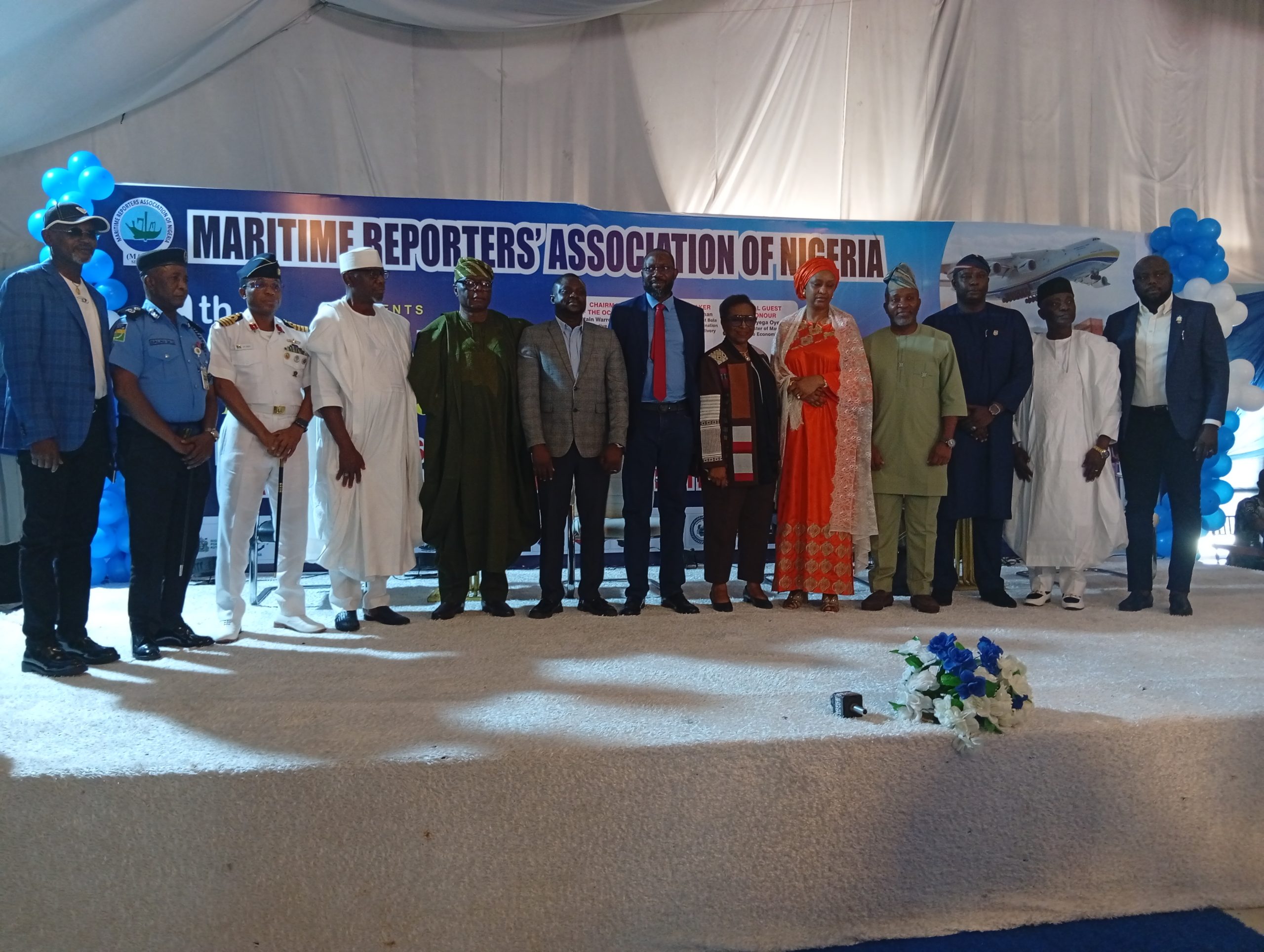
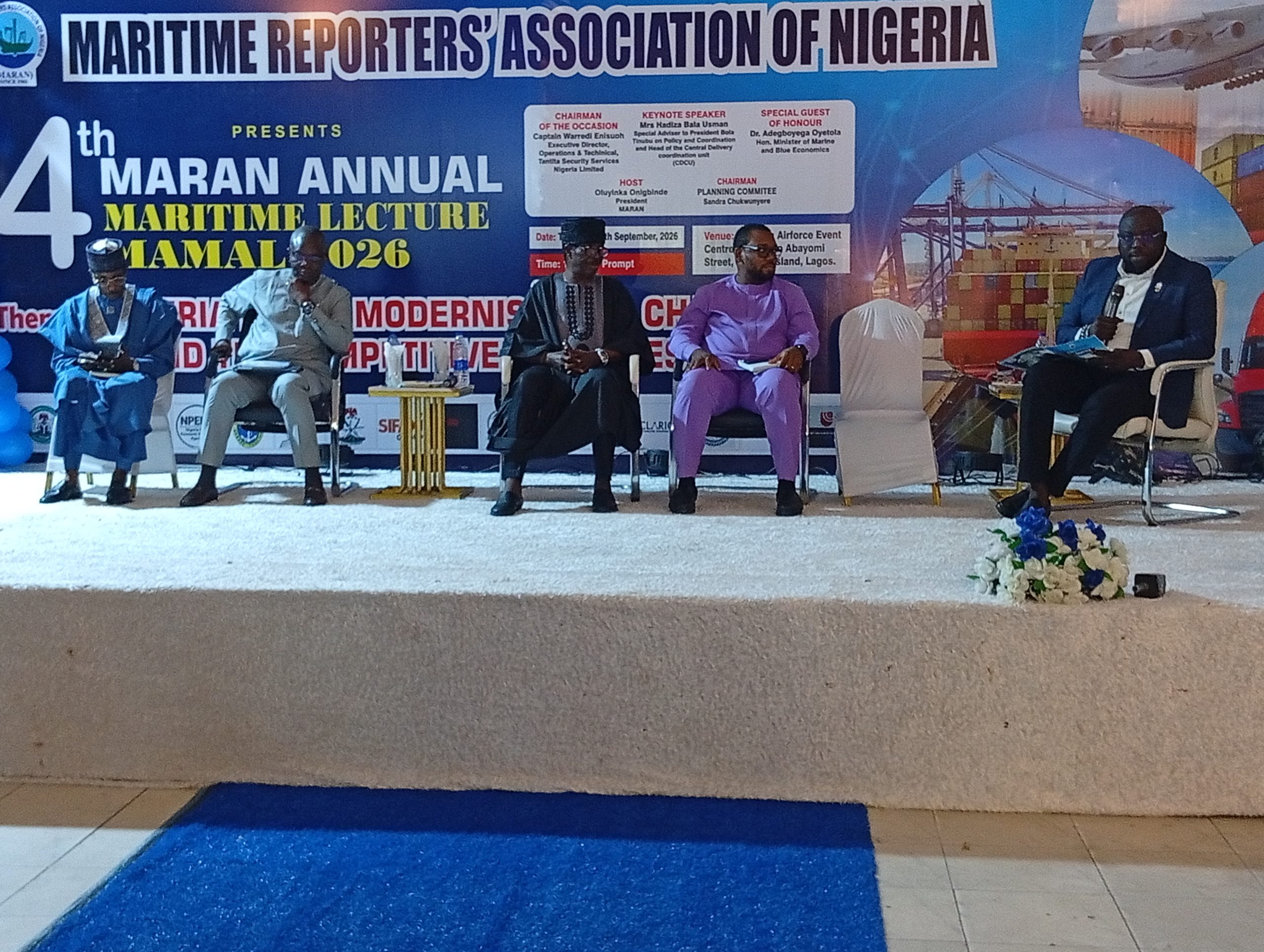 They made the submission at the 2026 Annual Maritime Lecture of the Maritime Reporters Association of Nigeria (MARAN), where concerns over port costs, congestion, cargo evacuation and the competitiveness of Nigerian ports dominated discussions.
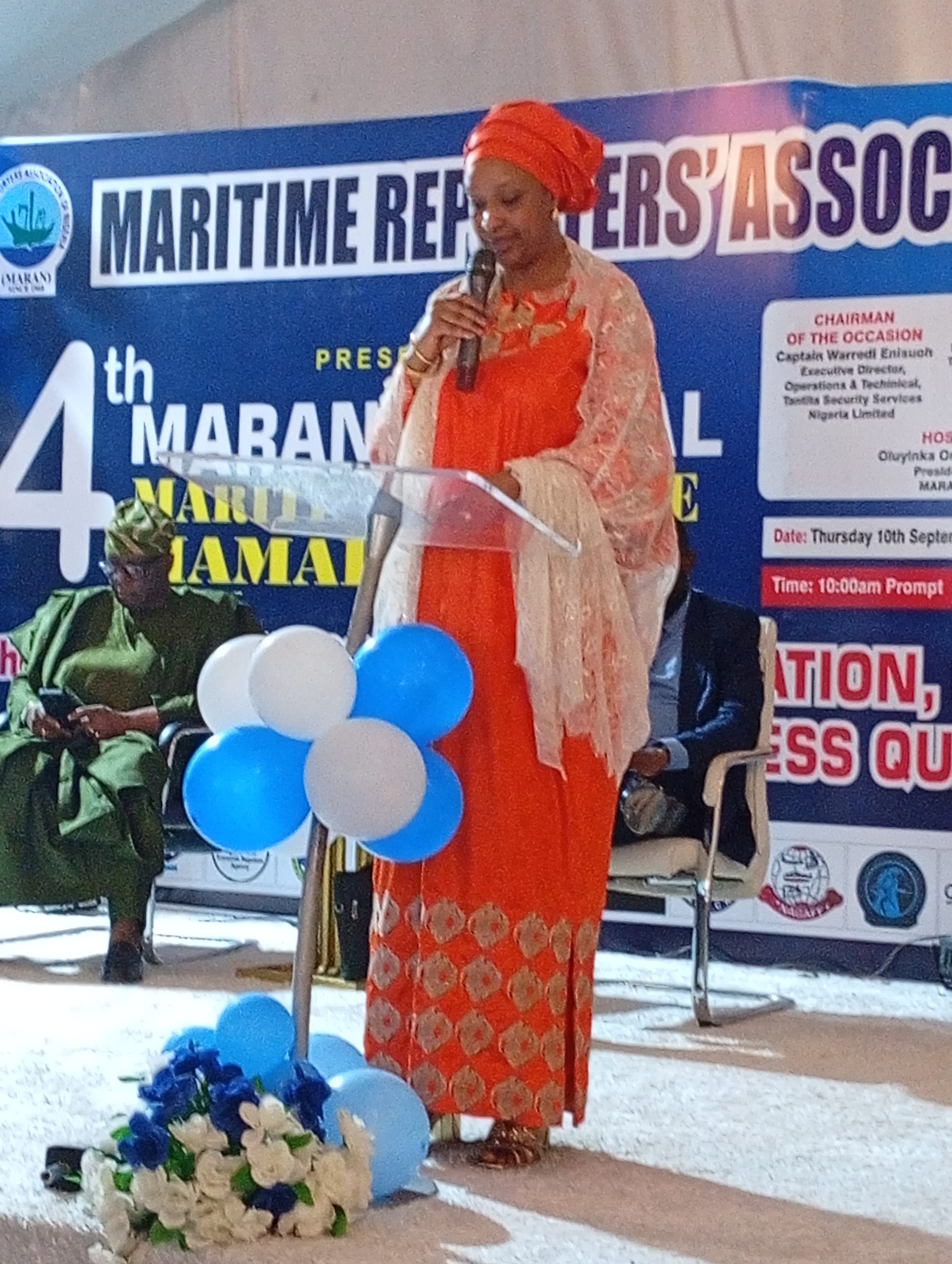 Speaking as the keynote speaker of the event, former Managing Director of the Nigerian Ports Authority (NPA) and Special Adviser to President Bola Ahmed Tinubu on Policy Coordination, Hadiza Bala Usman, said port modernisation should be measured by tangible improvements in cargo movement, turnaround times, logistics costs and export capacity rather than the amount of money spent on infrastructure.
Usman identified six critical areas for reform: infrastructure and operational models, modern equipment, digitalisation, institutional reform, human capital development and commercial modernisation covering tariffs, concessions, investment and service quality.
She said Nigerian seaports handle more than 80 per cent of the country’s physical imports and exports, making their efficiency critical to the wider economy. “A port cannot be globally competitive if its hinterland is not competitive,” she said.
Usman cited recent improvements in Nigerian port performance, including the ranking of Tin Can Island Port and Lagos Port Complex, Apapa, among the world’s most improved container ports between 2020 and 2025, according to the World Bank and S&P Global Market Intelligence’s Container Port Performance Index.
 She, however, warned that ongoing investments in Apapa and Tin Can Island ports, the rehabilitation of eastern ports and the expansion of Lekki Deep Sea Port would not deliver their full economic value without efficient road, rail, barge, inland logistics and dry-port connections.
Usman called for a comprehensive review of Nigeria’s port tariff structure, arguing that attention should shift from individual charges to the total cost of moving cargo through the Nigerian supply chain.iⁿ
She said reports that clearing a standard 20-foot container through Apapa could cost between ₦14 million and ₦15 million should concern policymakers, while noting that the total cost comprises several statutory and commercial charges.
These include port tariffs, terminal handling charges, shipping-line fees, detention, demurrage, haulage, documentation and clearing costs.
She called for the elimination of duplicated and obsolete charges and regulatory interventions, alongside a predictable, transparent and performance-based tariff regime.
According to her, tariff adjustments should be supported by published methodologies, international benchmarks and measurable improvements in service delivery.
Usman also proposed the publication of an annual Port Economic Performance Report covering vessel and truck turnaround times, cargo-handling productivity, equipment availability, customs clearance, total logistics costs, digital transactions, export connectivity, customer satisfaction and dispute-resolution timelines.
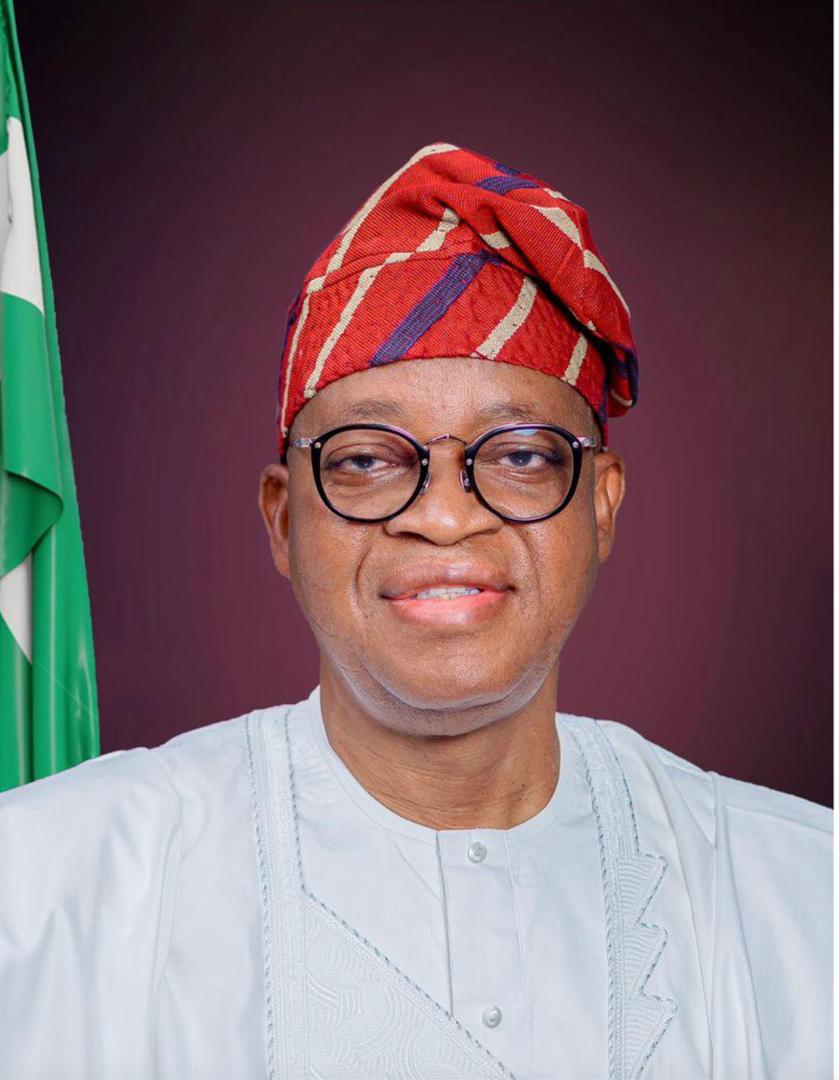 Minister of Marine and Blue Economy, Adegboyega Oyetola, represented by the NPA General Manager, Corporate and Strategic Communications, Seyi Iyawe, said the Federal Government was implementing a comprehensive programme to modernise Apapa, Tin Can Island and other Nigerian ports.
He said the programme would involve rebuilding critical infrastructure, deepening channels to accommodate larger vessels, replacing obsolete equipment and overhauling port operations.
“Our objective is to create ports that can move cargo, accommodate larger vessels, reduce turnaround time and lower the cost per unit of cargo handled,” Oyetola said.
The Minister also highlighted efforts to expand Nigeria’s deep-sea port capacity, invest in modern marine crafts and improve maritime security.
He said Nigeria had maintained a zero-piracy record in its territorial waters for four consecutive years, while improved security and compliance measures had helped restore international confidence in the country’s maritime sector.
Oyetola also identified the Nigerian Ports Economic Regulatory Agency as a major institutional reform designed to strengthen economic regulation, enforce service standards, monitor tariffs, promote fair competition and address anti-competitive practices.
‘You cannot modernise a port without modernising its exit’
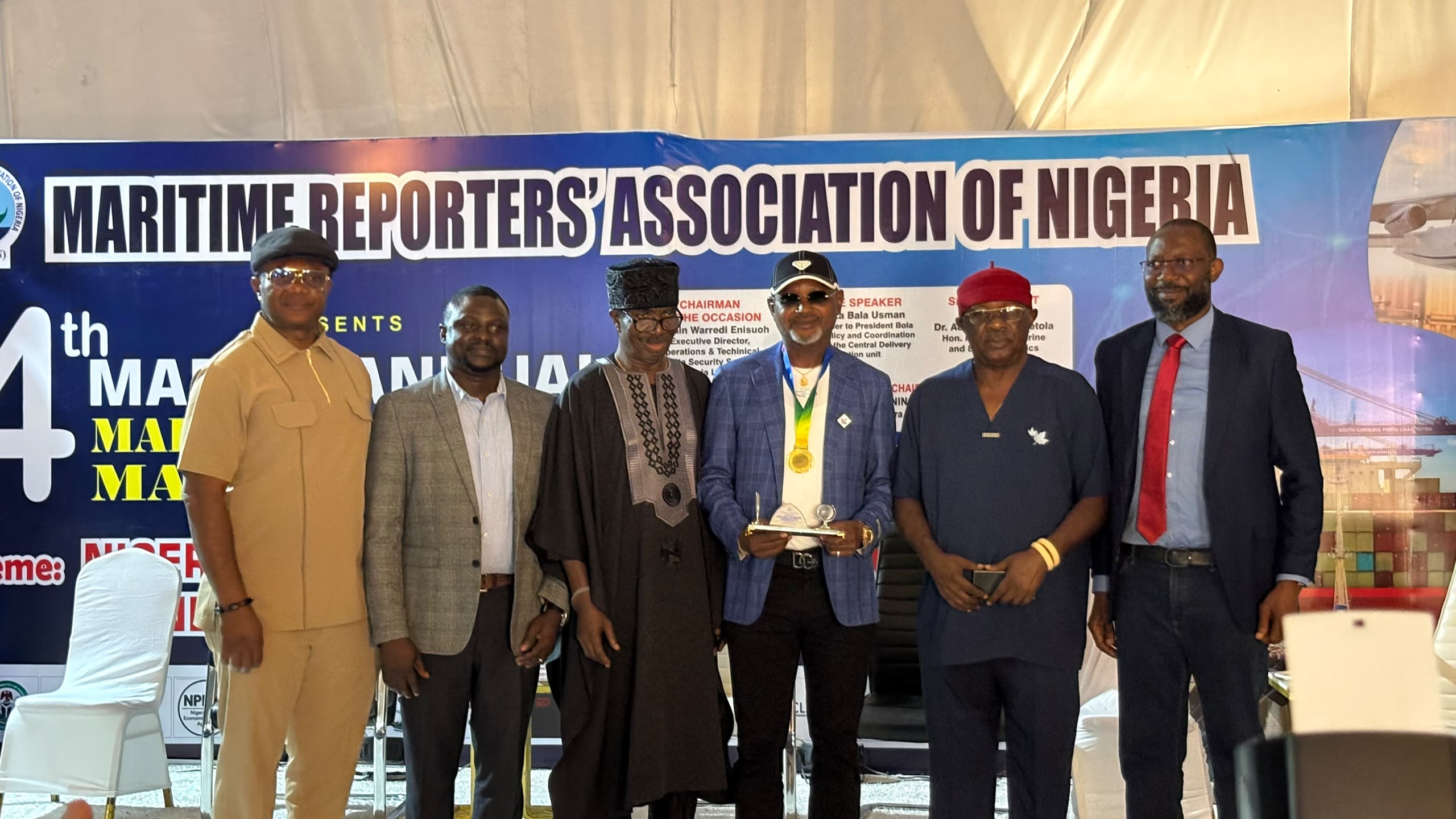 Executive Director, Operations and Technical, Tantita Security Services Nigeria Limited, Capt. Dr. Warredi Enisuoh, warned that port modernisation would have limited impact if cargo evacuation and infrastructure outside the port remained inefficient.
“You cannot modernise a port without modernising your exit point,” he said.
Enisuoh called for simultaneous investment in roads, rail, inland waterways, truck management and logistics hubs, as well as the reduction of multiple checkpoints and collection points.
He also advocated a genuine one-stop-shop system through which port users could complete regulatory and payment requirements on an integrated platform rather than dealing separately with agencies such as the NPA, Nigerian Maritime Administration and Safety Agency NIMASA and Nigeria Customs Service NCS.
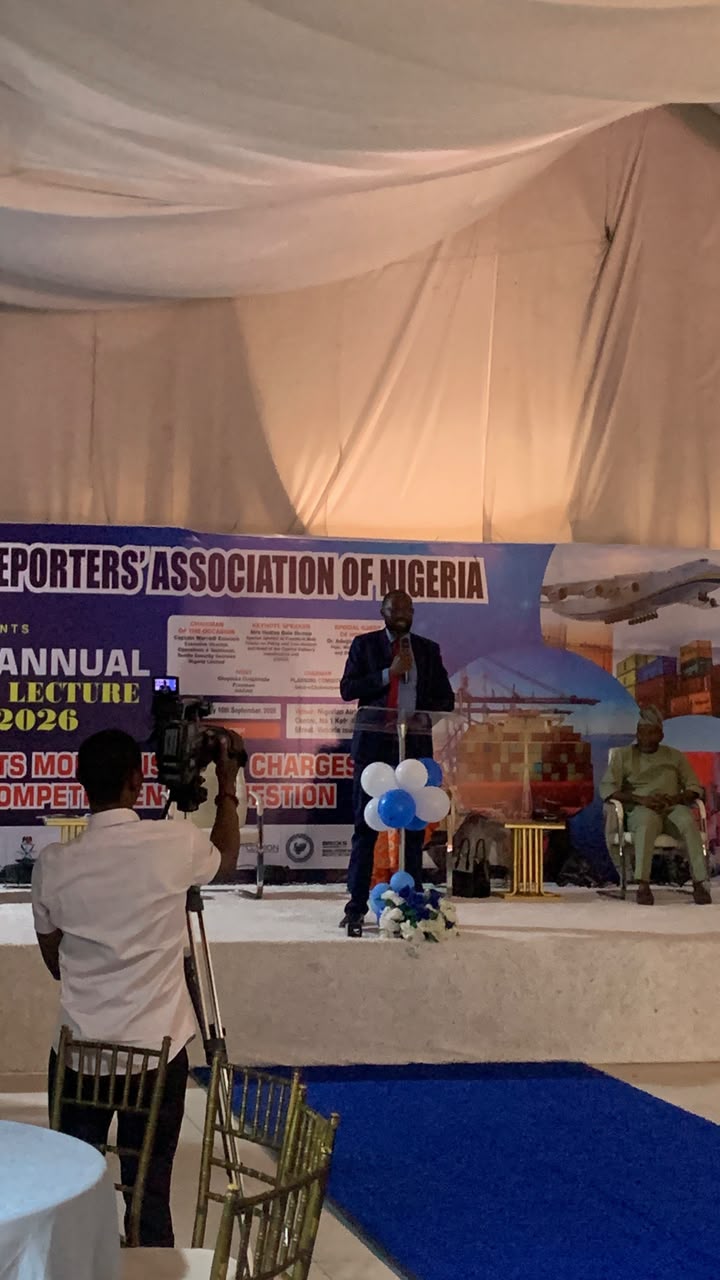 He said the growth in the size of vessels in global shipping made deeper and more capable ports essential if Nigeria was to compete effectively with other West African maritime gateways.
Enisuoh also urged the Federal Government to develop viable ports across the country’s coastline instead of concentrating the bulk of major port activity in Lagos.
He said a coordinated network of ports, roads, railways, bridges, inland waterways and logistics hubs would help distribute cargo, reduce pressure on Lagos and create more efficient trade corridors into the hinterland.
He warned that poor urban infrastructure could undermine even major investments in port facilities.
The speakers agreed that Nigeria’s port competitiveness cannot be achieved through infrastructure investment alone.
While Usman emphasised tariff transparency, institutional coordination and performance measurement, Oyetola highlighted infrastructure, maritime security, deep-sea port development and economic regulation. Enisuoh, meanwhile, stressed cargo evacuation, hinterland infrastructure and the development of alternative maritime gateways.
The consensus was that Nigerian ports must be treated as part of an integrated logistics ecosystem.
Stakeholders argued that infrastructure, technology, regulation, security, tariffs, roads, rail, waterways and cargo evacuation must function as a single system if Nigeria is to reduce the cost and time of moving goods.
Such an approach, they said, would strengthen manufacturing and exports, attract regional transit cargo, create employment and enhance Nigeria’s position as a major maritime gateway to West and Central Africa.



Germany-Nigeria Film Week 2026 Closes With Awards For Schlöndorff, Musawa, Gani Adams, Others

MMAC Customs Command Gets New Controller As Otunla Bows Out After N175.6bn Revenue

Blue Lagos, New Generation Directorate Host 250 Riverine Youth Leaders In Lagos

Nigeria Showcases Maritime Security Strength At AFRIDEX 2026

Customs Vows Not To Return To FATF Grey List As Nigeria Prepares For Next Evaluation

Niger/Kogi Customs Command Holds Diabetes Awareness, Fire Safety Lecture For Officers

Integrate Security Awareness Into School Curriculum, Tantita Executive Urges FG

LASWA Calls For Homegrown Multimodal Transport Model

Tantita Security Calls For Overhaul Of Nigeria’s Maritime Security System

Dredgers Association Disowns Report Alleging Extortion Against Lagos Commissioner Alebiosu

Customs FOU Zone A Intercepts Five Live Pangolins In Ogun, Hands Over To Wildlife Centre

Blue Line: LAMATA To Add Alakija, FESTAC, Trade Fair Stations By February 2027

NCS FOU Zone C Seizes 3,310 Jerrycans of Smuggled Vegetable Oil Worth ₦403.5m

Compt Joe Anani Records ₦178 billionin Revenue; Handover Leadership to DC MIiko

APAPA PORT COMMAND INTERCEPTS ₦26.5B CANNABIS INDICA CONCEALED WITH IMPORTED VEHICLES

Nigeria Customs Raises Breast Cancer Awareness in Abuja, Secures ₦50m Pledge

Revenue Boost: Apapa Customs Record ₦28 Billion in 24 Hours; Strengthens Government’s Revenue.

NIMASA Strengthens Partnership on Seafarer’s Warfare with Mission to Seafarers (MtS)

NIMASA Deepen Collaboration with NSIB to Promote Maritime Safety, Security

NRC Unveils Plans to Electrify Major Rail Corridors From Lagos, Warri Within 5 Years

NIMASA to sponsor 10 staff annually for Master’s degrees under renewed WMU partnership

DC ADEWOLE VISITS ASEYIN OF ISEYIN LAND AND SOUN OF OGBOMOSHO, SEEKS TRADITIONAL SUPPORT AGAINST SMUGGLING

NIMASA DG GETS AWARD OF RECOGNITION ON IMPACTFUL MENTORSHIP FROM ALMA MATER
