
Anti-Smuggling
Customs Intercepts 56 Containers Worth N5.53bn, Moves to Shield Local Producers

By Stella Okocha
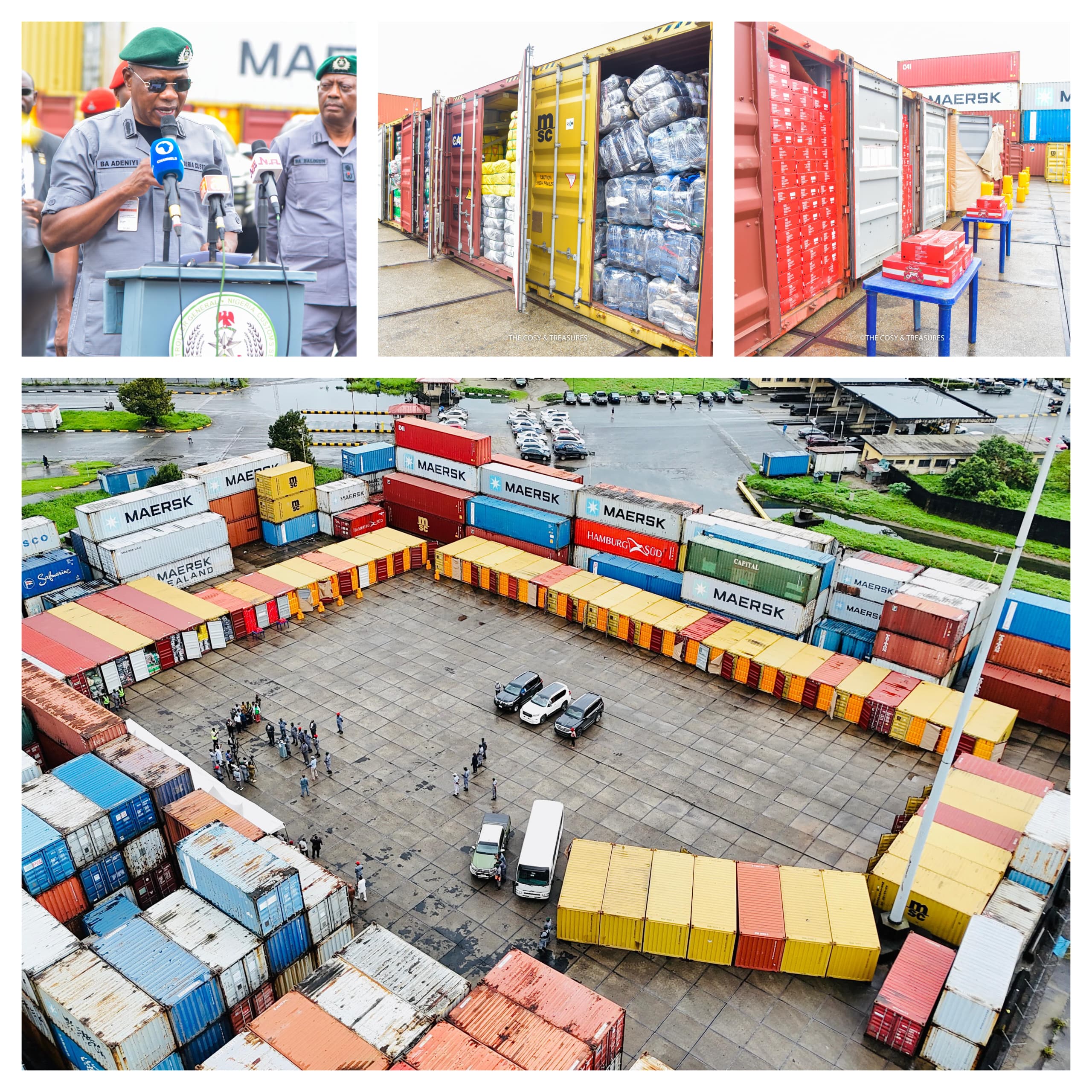
The Nigeria Customs Service (NCS) has intercepted 56 containers of prohibited and improperly imported goods valued at N5.53 billion in duty-paid terms, as the Service stepped up enforcement measures aimed at protecting Nigerian farmers, manufacturers and other domestic producers from unfair competition.
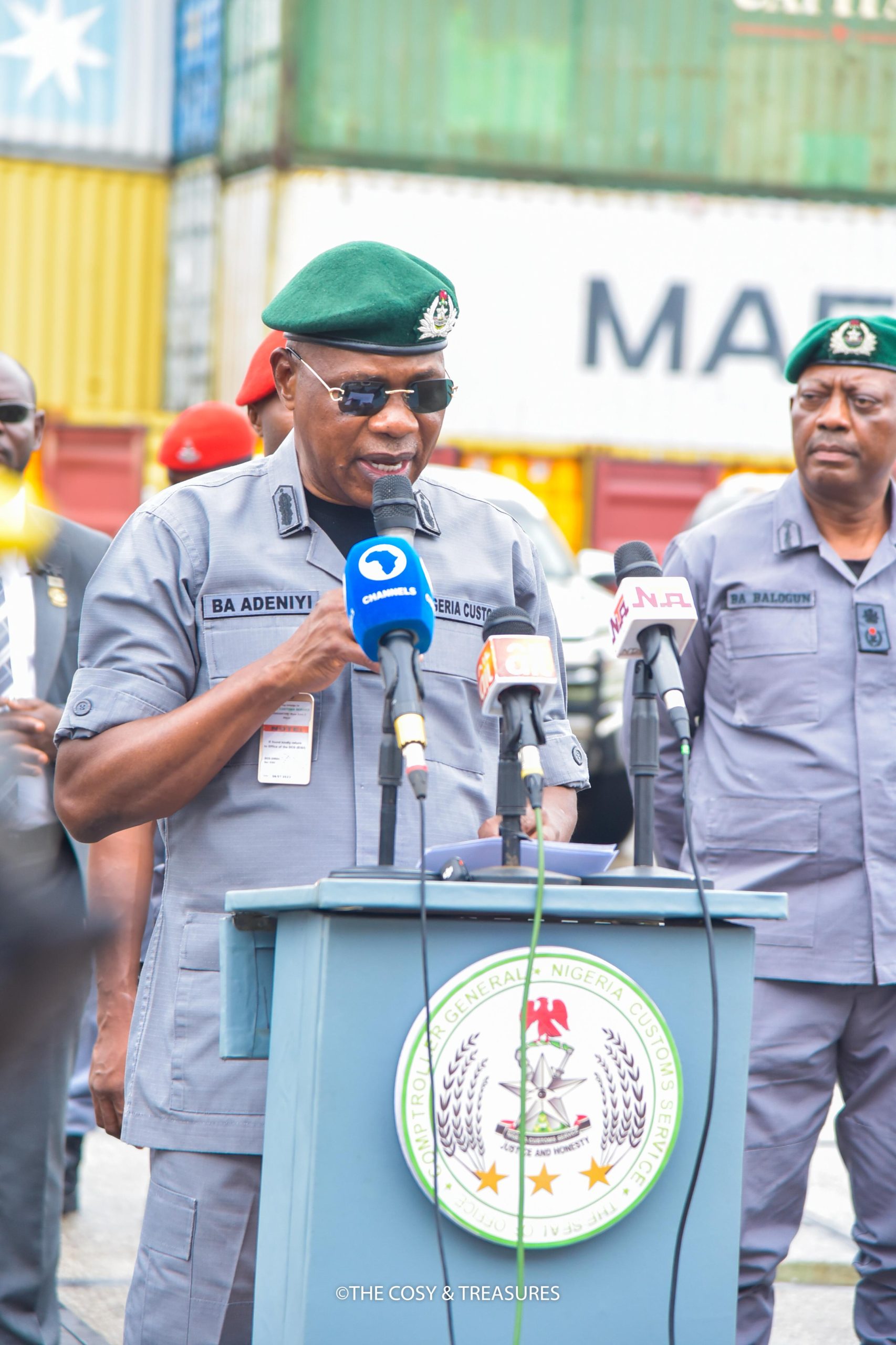 The Comptroller-General of Customs, Adewale Adeniyi, disclosed the seizures on Tuesday, September 15, 2026, during a briefing with journalists at the Port Harcourt II Area Command, Onne, Rivers State.
Adeniyi said the interceptions were the outcome of intelligence-driven and risk-based operations targeted at preventing prohibited, restricted and falsely or improperly declared consignments from entering the Nigerian market.
 According to him, allowing such goods into the country could weaken domestic production, distort competition and undermine investment across key sectors of the economy.
“The intervention formed part of intelligence-driven and risk-based operations aimed at preventing prohibited, restricted and improperly declared consignments from entering the Nigerian market, thereby crippling the overall productivity of our local businesses,” Adeniyi said.
The Customs chief warned that unchecked importation of goods capable of being produced or processed locally could expose Nigerian farmers and manufacturers to unfair competition while reducing demand for locally produced goods.
He said the consequences were particularly significant for the agricultural and manufacturing sectors, where sustained import pressure could undermine efforts to strengthen local industries, improve food security, generate employment and diversify the economy.
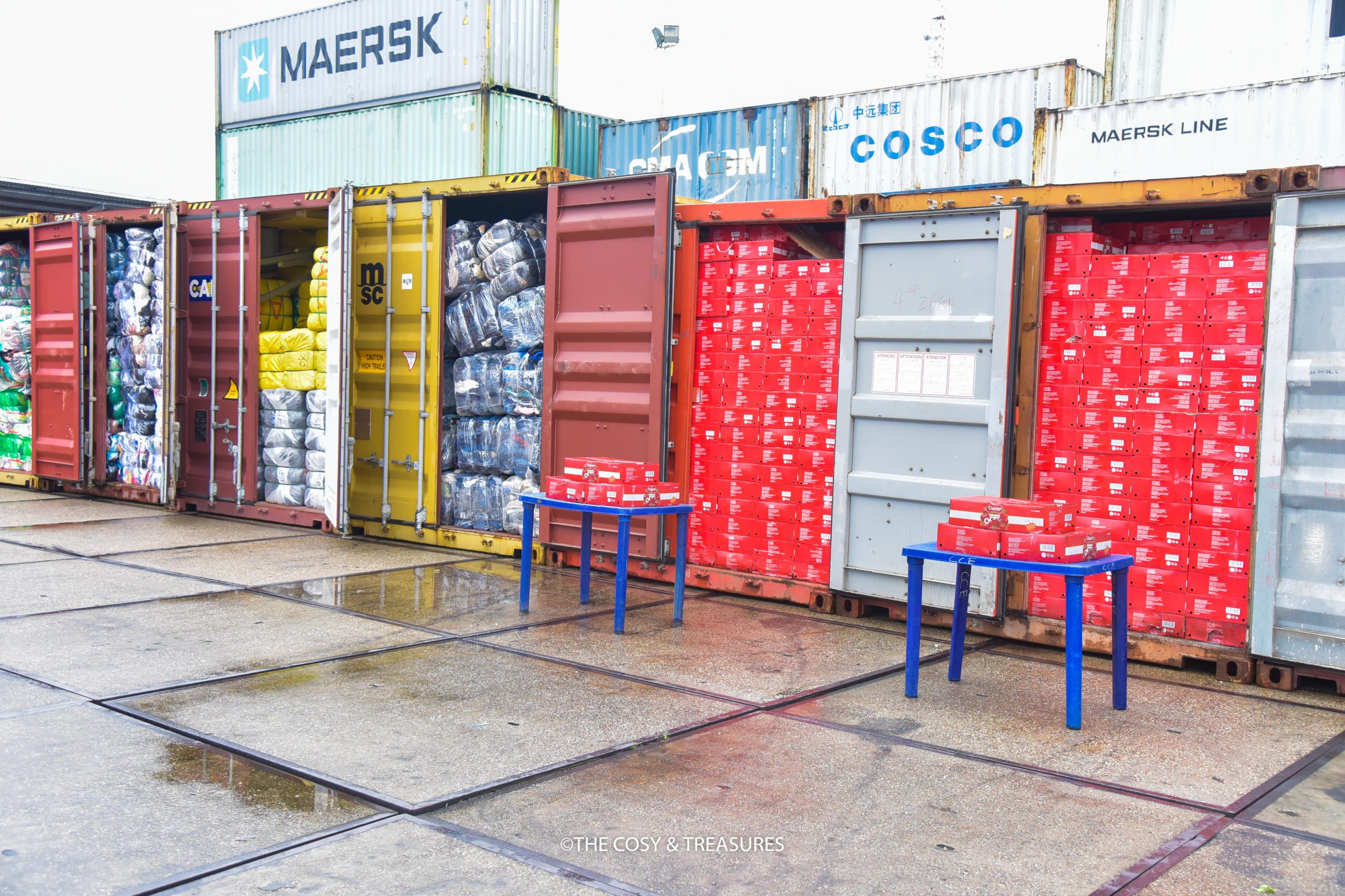
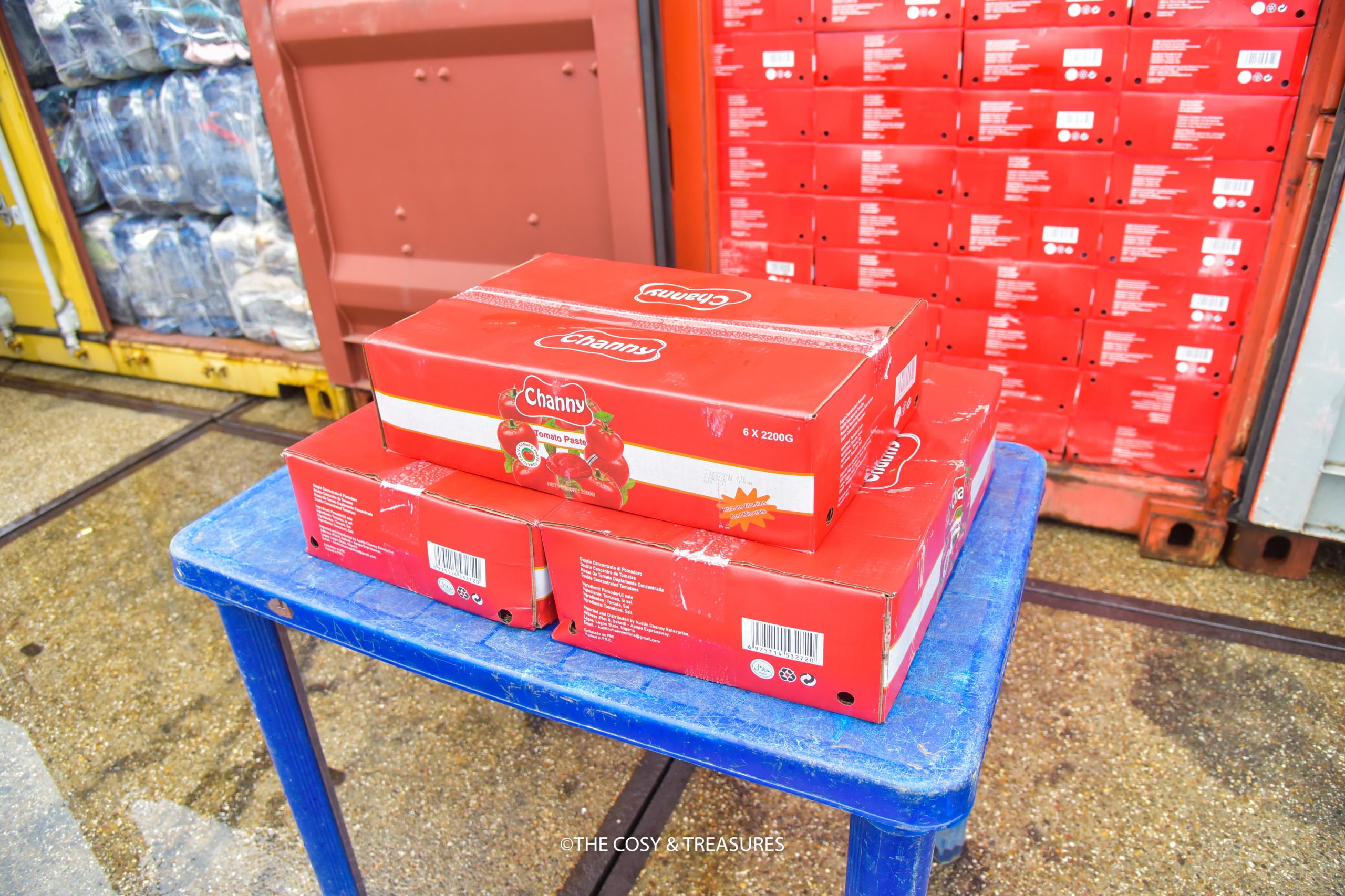
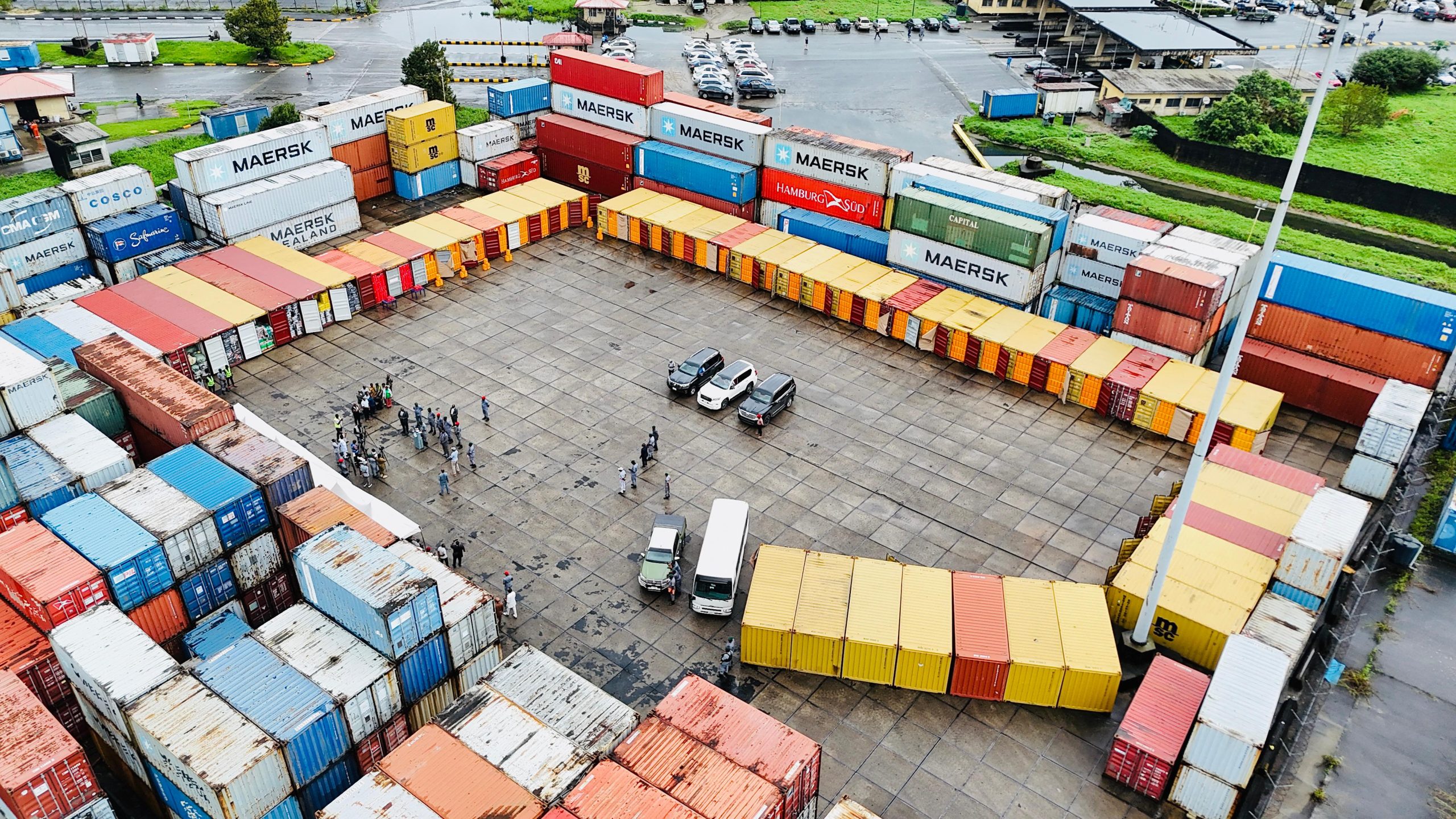 Adeniyi disclosed that the seized consignments comprised 45 20-foot containers of foreign vegetable oil, nine 40-foot containers of used clothing and two 20-foot containers of Channy tomato paste.
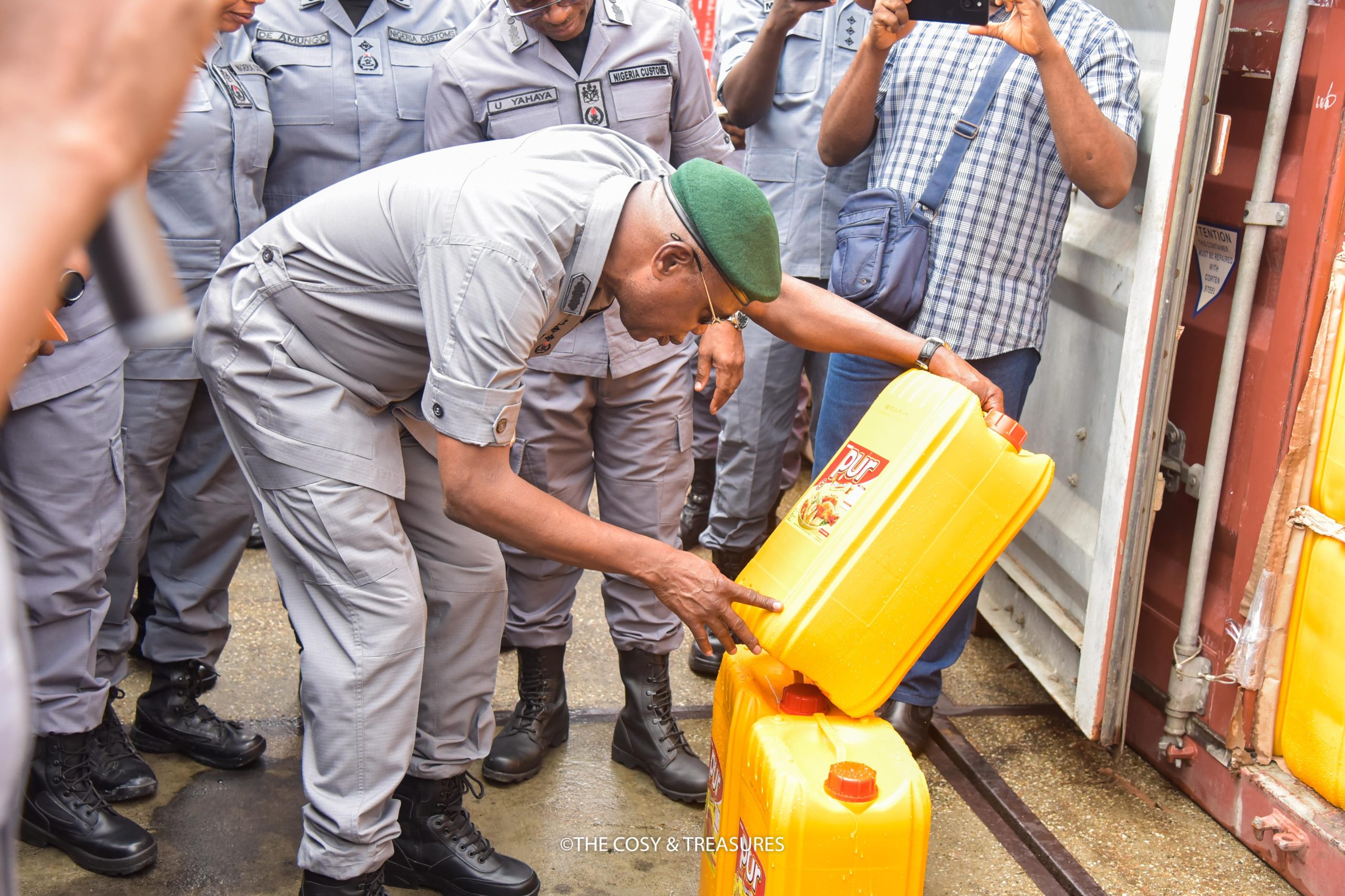
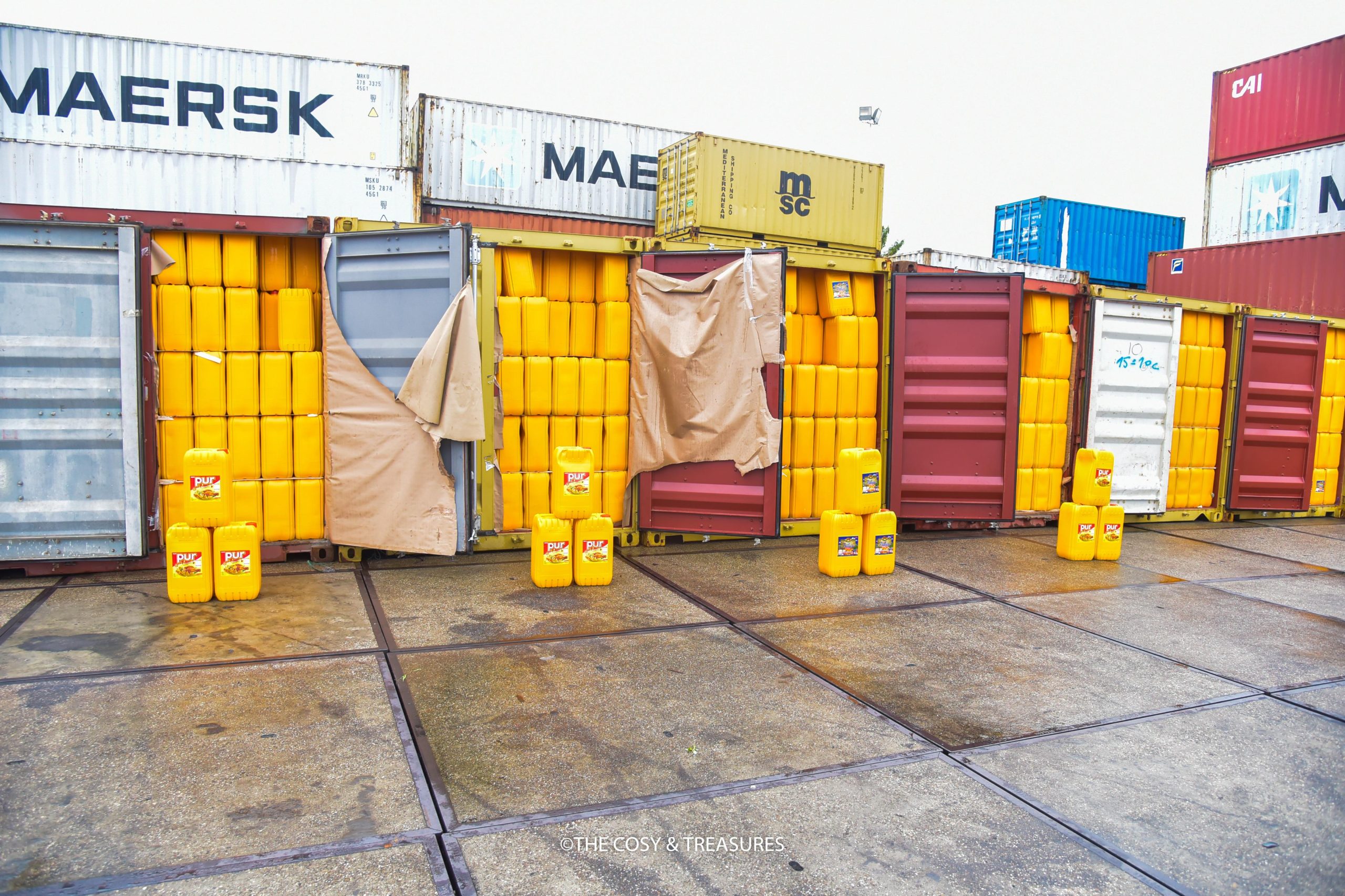 He said the interception was consistent with the Federal Government’s broader economic policy of encouraging local production and promoting made-in-Nigeria goods.
The Comptroller-General maintained that Customs would continue to deploy intelligence gathering, risk profiling and targeted examination to prevent prohibited and improperly declared consignments from entering the country while ensuring that legitimate trade is not unnecessarily disrupted.
Adeniyi stressed that the Service’s enforcement activities were not intended to frustrate compliant businesses but to maintain a fair, secure and predictable trading environment.
“Customs enforcement was not designed to frustrate legitimate businesses,” he said, explaining that the risk-based approach enables officers to facilitate legitimate cargo while subjecting consignments considered high-risk to enhanced scrutiny.
He said the approach was necessary to balance trade facilitation with enforcement, particularly where attempts to circumvent import controls could harm compliant businesses and domestic producers.
The Customs boss advised importers to establish the admissibility of their intended consignments before entering into import transactions.
He also urged traders to ensure that their declarations accurately reflect the description, quantity, value, origin and tariff classification of imported goods.
 According to him, accurate declarations would reduce avoidable delays and enable Customs to process compliant consignments more efficiently.
Adeniyi commended the Customs Area Controller, Comptroller Aliyu Alkali, and officers of the Port Harcourt II Area Command for the seizures.
He reiterated the NCS commitment to intelligence-led enforcement while facilitating legitimate trade and protecting Nigeria’s domestic economic interests.
The latest interceptions highlight the growing emphasis on import-control enforcement as the Federal Government seeks to strengthen domestic value chains, support local manufacturing and agriculture, and encourage greater reliance on locally produced goods.


Integrate Security Awareness Into School Curriculum, Tantita Executive Urges FG

LASWA Calls For Homegrown Multimodal Transport Model

Tantita Security Calls For Overhaul Of Nigeria’s Maritime Security System

Dredgers Association Disowns Report Alleging Extortion Against Lagos Commissioner Alebiosu

Customs FOU Zone A Intercepts Five Live Pangolins In Ogun, Hands Over To Wildlife Centre

Blue Line: LAMATA To Add Alakija, FESTAC, Trade Fair Stations By February 2027

Lagos Blue Economy: Govt Engages Riverine Women Leaders On Inclusion, Sustainable Development

NFVCB Moves To Take Nollywood To China As Board Meets China Film Administration

NIHOTOUR Honours Tinubu With Highest Tourism Award As President Backs Sector Reforms

Oyetola Inaugurates NIMBEX Committee To Drive Maritime Investment

Customs Operation Whirlwind Seizes 38,700 Litres Of Smuggled Fuel In Adamawa, Worth N63.1m

Operation Sea Guardian: NIMASA Cracks Down On Cabotage Violators In Lagos Waters

NCS FOU Zone C Seizes 3,310 Jerrycans of Smuggled Vegetable Oil Worth ₦403.5m

Compt Joe Anani Records ₦178 billionin Revenue; Handover Leadership to DC MIiko

APAPA PORT COMMAND INTERCEPTS ₦26.5B CANNABIS INDICA CONCEALED WITH IMPORTED VEHICLES

Nigeria Customs Raises Breast Cancer Awareness in Abuja, Secures ₦50m Pledge

Revenue Boost: Apapa Customs Record ₦28 Billion in 24 Hours; Strengthens Government’s Revenue.

NIMASA Strengthens Partnership on Seafarer’s Warfare with Mission to Seafarers (MtS)

NIMASA Deepen Collaboration with NSIB to Promote Maritime Safety, Security

NRC Unveils Plans to Electrify Major Rail Corridors From Lagos, Warri Within 5 Years

NIMASA to sponsor 10 staff annually for Master’s degrees under renewed WMU partnership

DC ADEWOLE VISITS ASEYIN OF ISEYIN LAND AND SOUN OF OGBOMOSHO, SEEKS TRADITIONAL SUPPORT AGAINST SMUGGLING

NIMASA DG GETS AWARD OF RECOGNITION ON IMPACTFUL MENTORSHIP FROM ALMA MATER
