
Metro
Lagos Deploys €410m Omi-Eko Project to Transform Inland Water Transport

By Stella Okocha
The Lagos State Government is implementing a €410 million Omi-Eko project aimed at developing a modern, integrated inland waterways transportation system as part of efforts to ease congestion and improve mobility across the state.
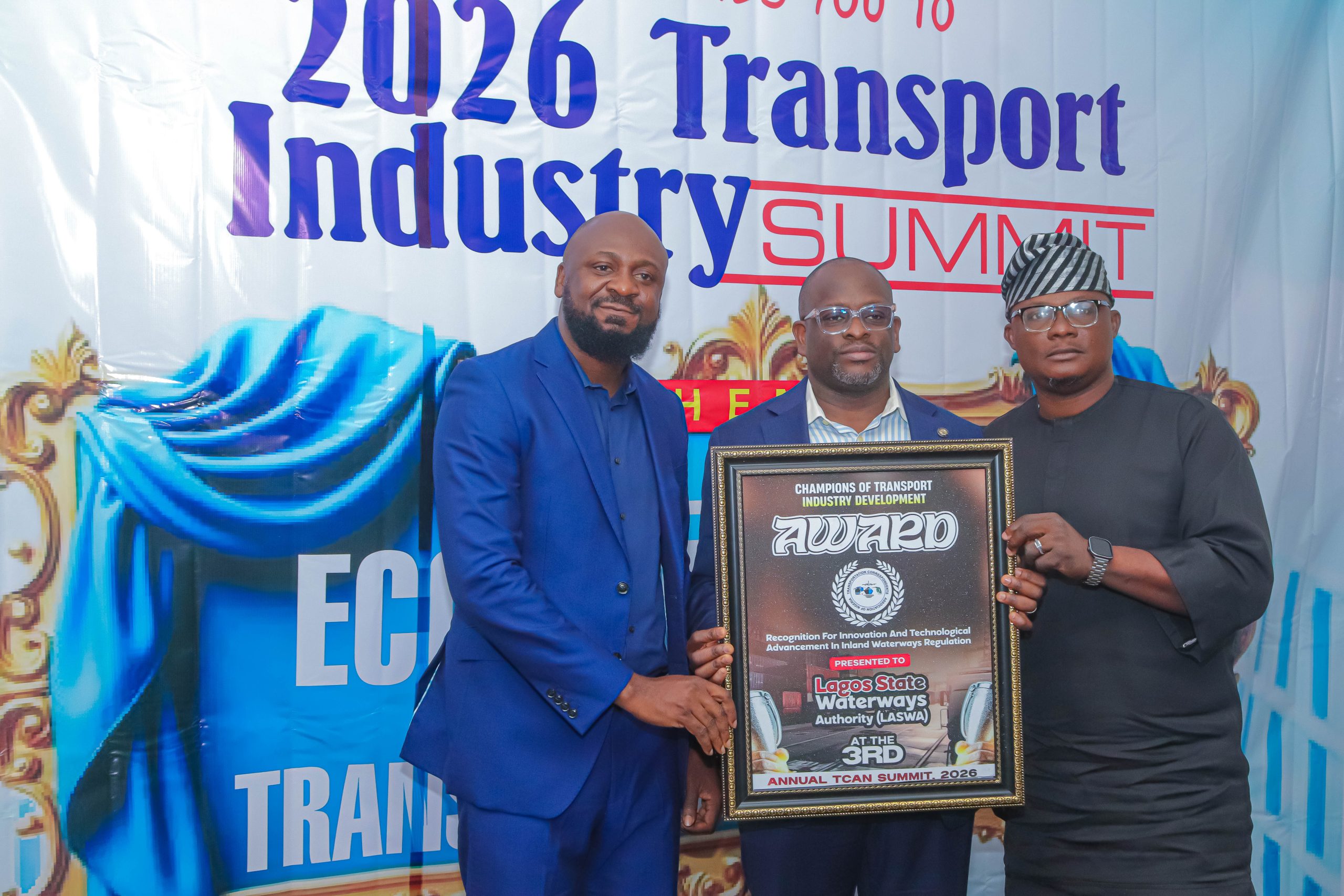
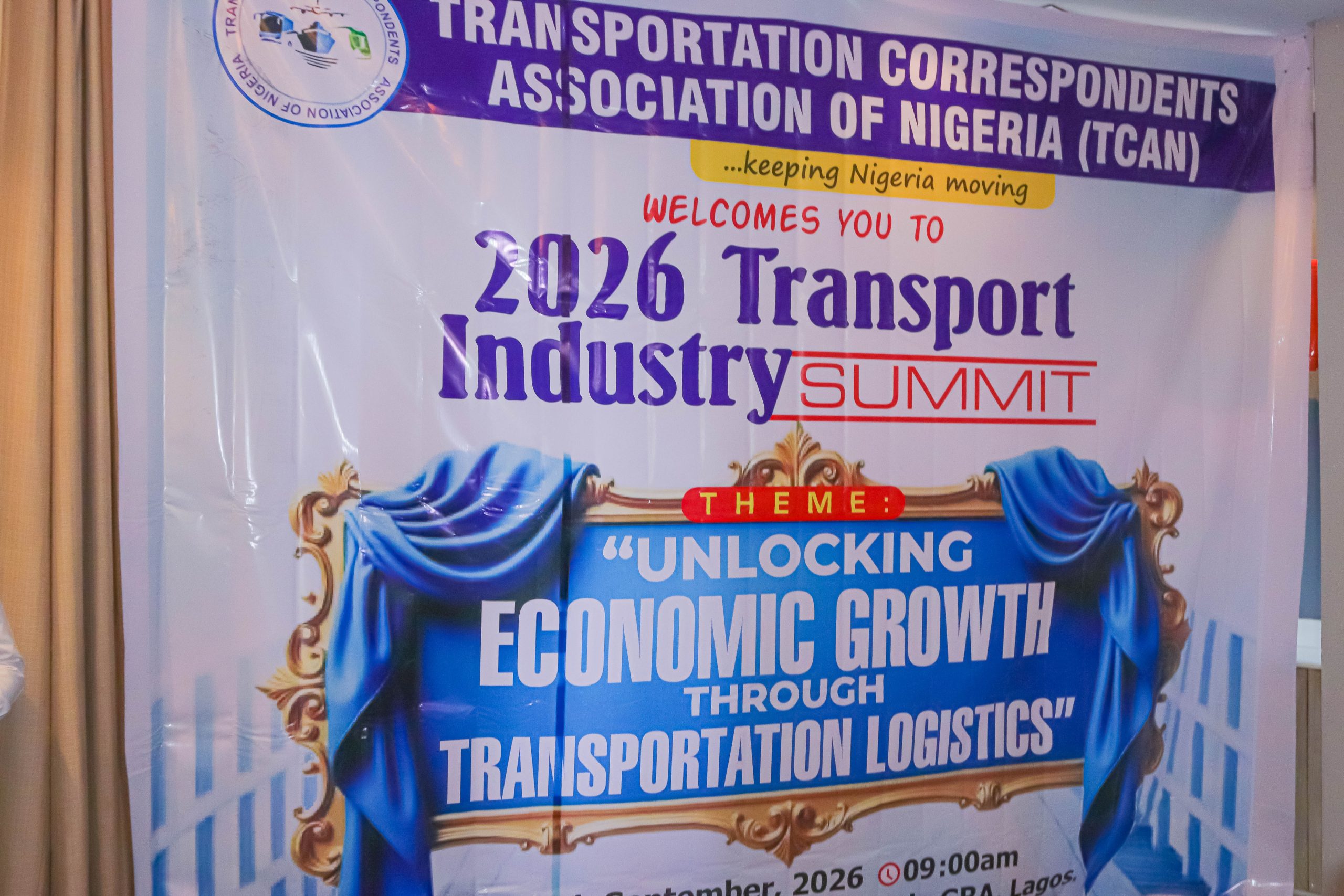
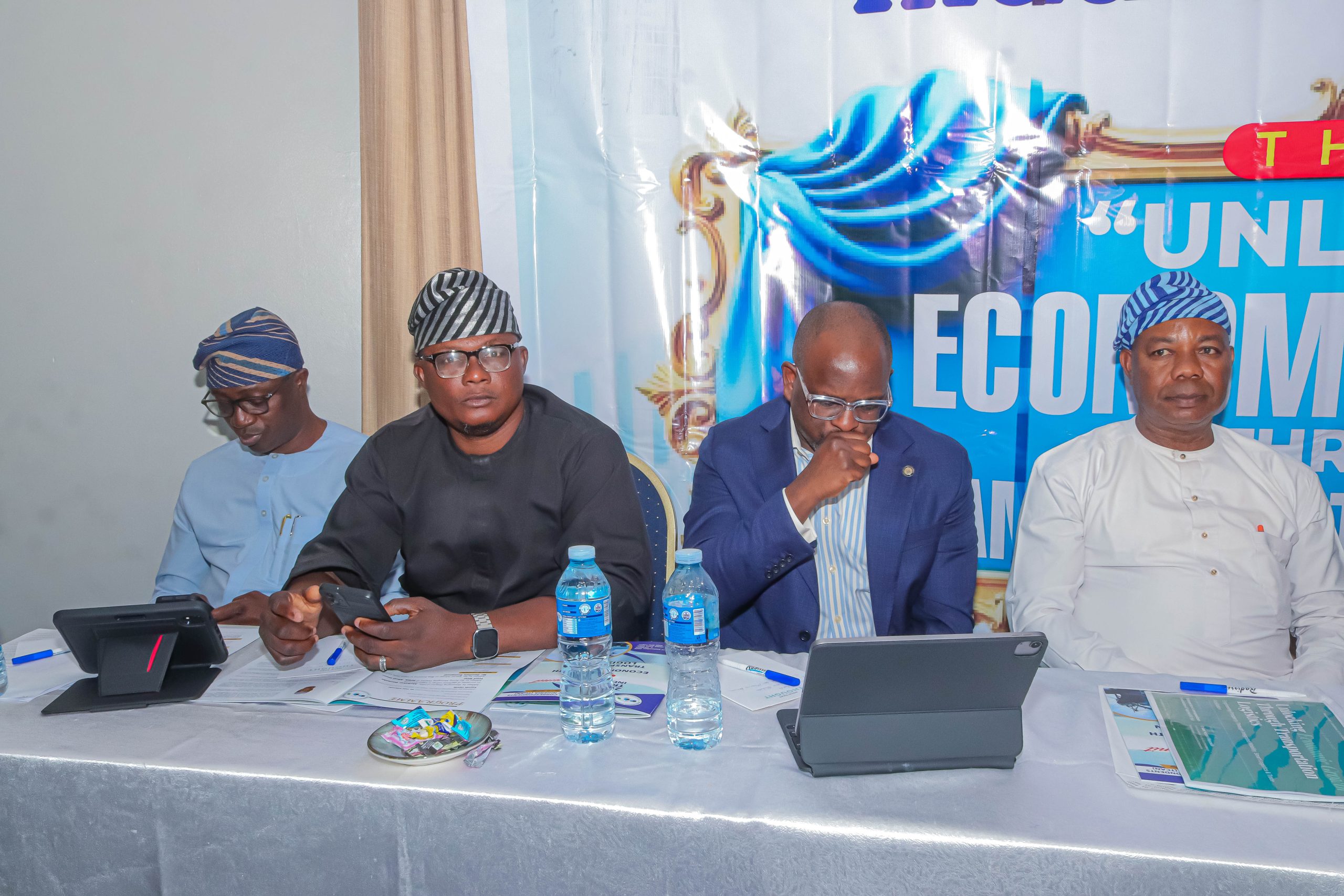
The Special Adviser to the Lagos State Governor on Blue Economy, Mr Oluwadamilola Emmanuel, disclosed this at the 2026 Transport Correspondents Association of Nigeria (TCAN) summit in Lagos.
 Emmanuel said the project was designed to complement the state’s existing urban transport network, improve connectivity for waterfront communities and expand access to economic opportunities.
According to him, more than 540,000 people live in waterfront communities across Lagos, with many relying on waterways for transportation, livelihoods and other economic activities.
 He said increasing road congestion, rising transport costs, limited road capacity, environmental concerns and poor connectivity had made it necessary to strengthen water transportation as an alternative mobility corridor.
“Water transport can provide alternative corridors and reduce journey times,” Emmanuel said, citing the Ikorodu-Falomo route as an example.
He said a journey from Ikorodu to Falomo that could take more than one hour by road could be completed in about 25 to 30 minutes by water.
Emmanuel said the Omi-Eko project followed a two-year pre-feasibility study conducted with support from the Agence Française de Développement (AFD).
He explained that the €410 million financing package involved the European Investment Bank (EIB), AFD, the European Union and the Lagos State Government, alongside private-sector participation.
The EIB is expected to provide €170 million, AFD €130 million, the European Union €60 million in grants and the Lagos State Government €40 million. A further €10 million is expected from private-sector investment, particularly in the ticketing system.
The five-year project will establish 15 structured ferry routes, dredge about 140 kilometres of waterways, upgrade 25 ferry terminals and introduce 78 modern electric ferries.
The vessels, he said, would have capacity for up to 440 passengers and would be supported by improved passenger facilities, fleet maintenance infrastructure, navigation channels and climate-resilient infrastructure.
The Special Adviser said the government was also developing a Vessel Industry Transition Programme to bring informal-sector operators into the emerging formal water transportation system.
He said the programme would explore integration or buyout arrangements to ensure existing operators were not left behind as the sector becomes more structured.
Emmanuel said the state was simultaneously strengthening regulation and safety oversight, including ferry terminal development, navigation standards, professional requirements and stakeholder engagement.
He identified safety as the foundation of the programme, with emphasis on regulatory enforcement, crew competence, vessel standards and emergency preparedness.
He also acknowledged the need to improve public confidence in water transportation, noting that some residents remained reluctant to use the waterways because of safety concerns, fear and limited familiarity with the system.
Emmanuel said Lagos’ future transportation system must be multimodal, with water transport seamlessly connected to rail, buses, private vehicles and park-and-ride facilities.
He said the objective was to create a single interconnected mobility network rather than operate different transport modes in isolation.
According to him, such integration would improve travel times, reliability and the overall passenger experience while addressing first-mile and last-mile connectivity challenges.
He added that improved water transport would enhance businesses’ access to markets, facilitate workers’ movement, strengthen economic connectivity and create opportunities for waterfront communities and local enterprises.
Emmanuel disclosed that a recent study had identified 34 additional maritime communities requiring improved connectivity.
He said integrating water transportation into Lagos’ wider mobility network would also help reduce pressure on roads, promote cleaner transportation and create jobs across the maritime, green and blue economy sectors.







Integrate Security Awareness Into School Curriculum, Tantita Executive Urges FG

LASWA Calls For Homegrown Multimodal Transport Model

Tantita Security Calls For Overhaul Of Nigeria’s Maritime Security System

Dredgers Association Disowns Report Alleging Extortion Against Lagos Commissioner Alebiosu

Customs FOU Zone A Intercepts Five Live Pangolins In Ogun, Hands Over To Wildlife Centre

Blue Line: LAMATA To Add Alakija, FESTAC, Trade Fair Stations By February 2027

Lagos Blue Economy: Govt Engages Riverine Women Leaders On Inclusion, Sustainable Development

NFVCB Moves To Take Nollywood To China As Board Meets China Film Administration

NIHOTOUR Honours Tinubu With Highest Tourism Award As President Backs Sector Reforms

Oyetola Inaugurates NIMBEX Committee To Drive Maritime Investment

Customs Operation Whirlwind Seizes 38,700 Litres Of Smuggled Fuel In Adamawa, Worth N63.1m

Operation Sea Guardian: NIMASA Cracks Down On Cabotage Violators In Lagos Waters

NCS FOU Zone C Seizes 3,310 Jerrycans of Smuggled Vegetable Oil Worth ₦403.5m

Compt Joe Anani Records ₦178 billionin Revenue; Handover Leadership to DC MIiko

APAPA PORT COMMAND INTERCEPTS ₦26.5B CANNABIS INDICA CONCEALED WITH IMPORTED VEHICLES

Revenue Boost: Apapa Customs Record ₦28 Billion in 24 Hours; Strengthens Government’s Revenue.

NIMASA Strengthens Partnership on Seafarer’s Warfare with Mission to Seafarers (MtS)

Nigeria Customs Raises Breast Cancer Awareness in Abuja, Secures ₦50m Pledge

NIMASA Deepen Collaboration with NSIB to Promote Maritime Safety, Security

NRC Unveils Plans to Electrify Major Rail Corridors From Lagos, Warri Within 5 Years

NIMASA to sponsor 10 staff annually for Master’s degrees under renewed WMU partnership

DC ADEWOLE VISITS ASEYIN OF ISEYIN LAND AND SOUN OF OGBOMOSHO, SEEKS TRADITIONAL SUPPORT AGAINST SMUGGLING

NIMASA DG GETS AWARD OF RECOGNITION ON IMPACTFUL MENTORSHIP FROM ALMA MATER
