
Maritime
FG Targets Maritime Sector to Drive Trade, Jobs and Economic Diversification – Oyetola

By Stella Okocha
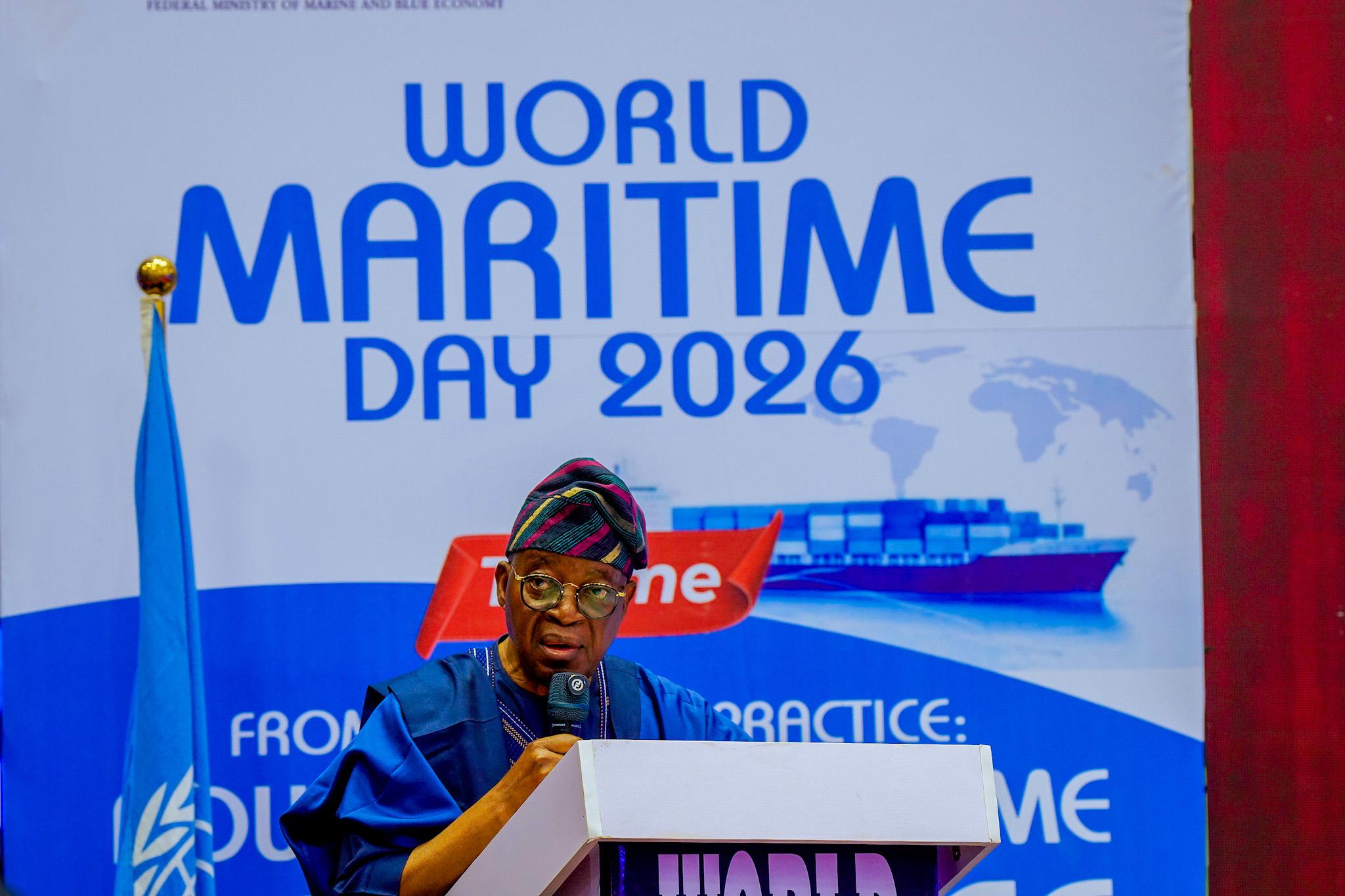
The Minister of Marine and Blue Economy, Dr. Adegboyega Oyetola, has said the Federal Government is positioning Nigeria’s maritime sector as a major driver of economic growth, trade expansion and job creation.
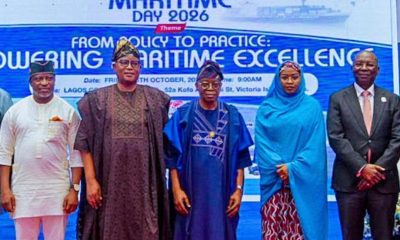
Oyetola stated this at the 2026 World Maritime Day celebration in Lagos, where he outlined ongoing reforms focused on port modernisation, maritime security, human capital development and infrastructure investment.
He said government is working to translate maritime policies into tangible benefits for businesses, traders and ordinary Nigerians, including more efficient ports, safer waterways, stronger businesses and improved living standards.
The minister noted that Nigeria’s strategic location along the Gulf of Guinea, extensive inland waterways and large maritime market present significant opportunities for economic diversification and regional trade.
He described maritime security as critical to economic transformation, saying safer waters and effective port security are essential to protect international trade, attract investment and strengthen competitiveness.
On port infrastructure, Oyetola said government is pursuing a comprehensive modernisation agenda to expand capacity and establish a more balanced network of maritime gateways across the country, building on developments at Apapa, Tin Can Island and Lekki.
He said the plan also involves connecting seaports to inland dry ports and production centres through road, rail and inland waterways to reduce logistics costs, ease congestion, boost exports and stimulate industrial clusters.
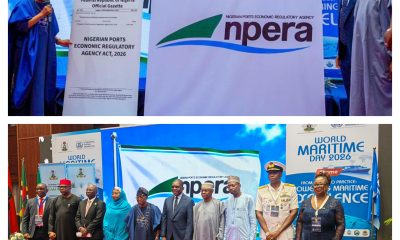
The minister highlighted the Nigerian Ports Economic Regulatory Agency Act, 2026, as a key institutional reform to strengthen economic regulation, promote fair competition, ensure transparent pricing and improve service delivery.
He also disclosed plans for digital reforms in shipping, including modernisation of the Nigerian shipping registry through digital registration, application tracking and electronic certification, as well as improved access to financing for indigenous shipowners.
On human capital, Oyetola said government is strengthening training, certification and sea-time opportunities for cadets, citing the partnership between NNPC Ltd. and the Maritime Academy of Nigeria, Oron, to provide onboard experience.
He added that fisheries colleges and research institutions are being strengthened to equip young people, women and fishing communities with skills in fish processing, marine technology and sustainable fisheries.
The minister said Nigeria’s fish production rose from about 1.1 million metric tonnes to about 1.4 million metric tonnes in 2025, noting that government is building on the growth through improved production, processing and value chains to boost food security and reduce import dependence.
He reaffirmed Nigeria’s commitment to working with the International Maritime Organization (IMO), describing Nigeria’s return to the IMO Council in November 2025 after 14 years as a significant milestone to contribute to global maritime policy and advocate for Africa and other developing nations.
Oyetola stressed that sustained collaboration among agencies, operators, state governments and international partners remains vital to achieving a safer, more competitive and sustainable maritime economy.






Integrate Security Awareness Into School Curriculum, Tantita Executive Urges FG

LASWA Calls For Homegrown Multimodal Transport Model

Tantita Security Calls For Overhaul Of Nigeria’s Maritime Security System

Dredgers Association Disowns Report Alleging Extortion Against Lagos Commissioner Alebiosu

Customs FOU Zone A Intercepts Five Live Pangolins In Ogun, Hands Over To Wildlife Centre

Blue Line: LAMATA To Add Alakija, FESTAC, Trade Fair Stations By February 2027

Lagos Blue Economy: Govt Engages Riverine Women Leaders On Inclusion, Sustainable Development

NFVCB Moves To Take Nollywood To China As Board Meets China Film Administration

NIHOTOUR Honours Tinubu With Highest Tourism Award As President Backs Sector Reforms

Oyetola Inaugurates NIMBEX Committee To Drive Maritime Investment

Customs Operation Whirlwind Seizes 38,700 Litres Of Smuggled Fuel In Adamawa, Worth N63.1m

Operation Sea Guardian: NIMASA Cracks Down On Cabotage Violators In Lagos Waters

NCS FOU Zone C Seizes 3,310 Jerrycans of Smuggled Vegetable Oil Worth ₦403.5m

Compt Joe Anani Records ₦178 billionin Revenue; Handover Leadership to DC MIiko

APAPA PORT COMMAND INTERCEPTS ₦26.5B CANNABIS INDICA CONCEALED WITH IMPORTED VEHICLES

Revenue Boost: Apapa Customs Record ₦28 Billion in 24 Hours; Strengthens Government’s Revenue.

NIMASA Strengthens Partnership on Seafarer’s Warfare with Mission to Seafarers (MtS)

Nigeria Customs Raises Breast Cancer Awareness in Abuja, Secures ₦50m Pledge

NIMASA Deepen Collaboration with NSIB to Promote Maritime Safety, Security

NRC Unveils Plans to Electrify Major Rail Corridors From Lagos, Warri Within 5 Years

NIMASA to sponsor 10 staff annually for Master’s degrees under renewed WMU partnership

DC ADEWOLE VISITS ASEYIN OF ISEYIN LAND AND SOUN OF OGBOMOSHO, SEEKS TRADITIONAL SUPPORT AGAINST SMUGGLING

NIMASA DG GETS AWARD OF RECOGNITION ON IMPACTFUL MENTORSHIP FROM ALMA MATER
