
Customs
Customs CG Activates ICRAM Committee, Orders Immediate Anti-Corruption Risk Mapping Nationwide

By Stella Okocha
The Comptroller-General of the Nigeria Customs Service (NCS), Adewale Adeniyi, has ordered the immediate implementation of a new internal anti-corruption framework across all zones, commands and units of the Service.
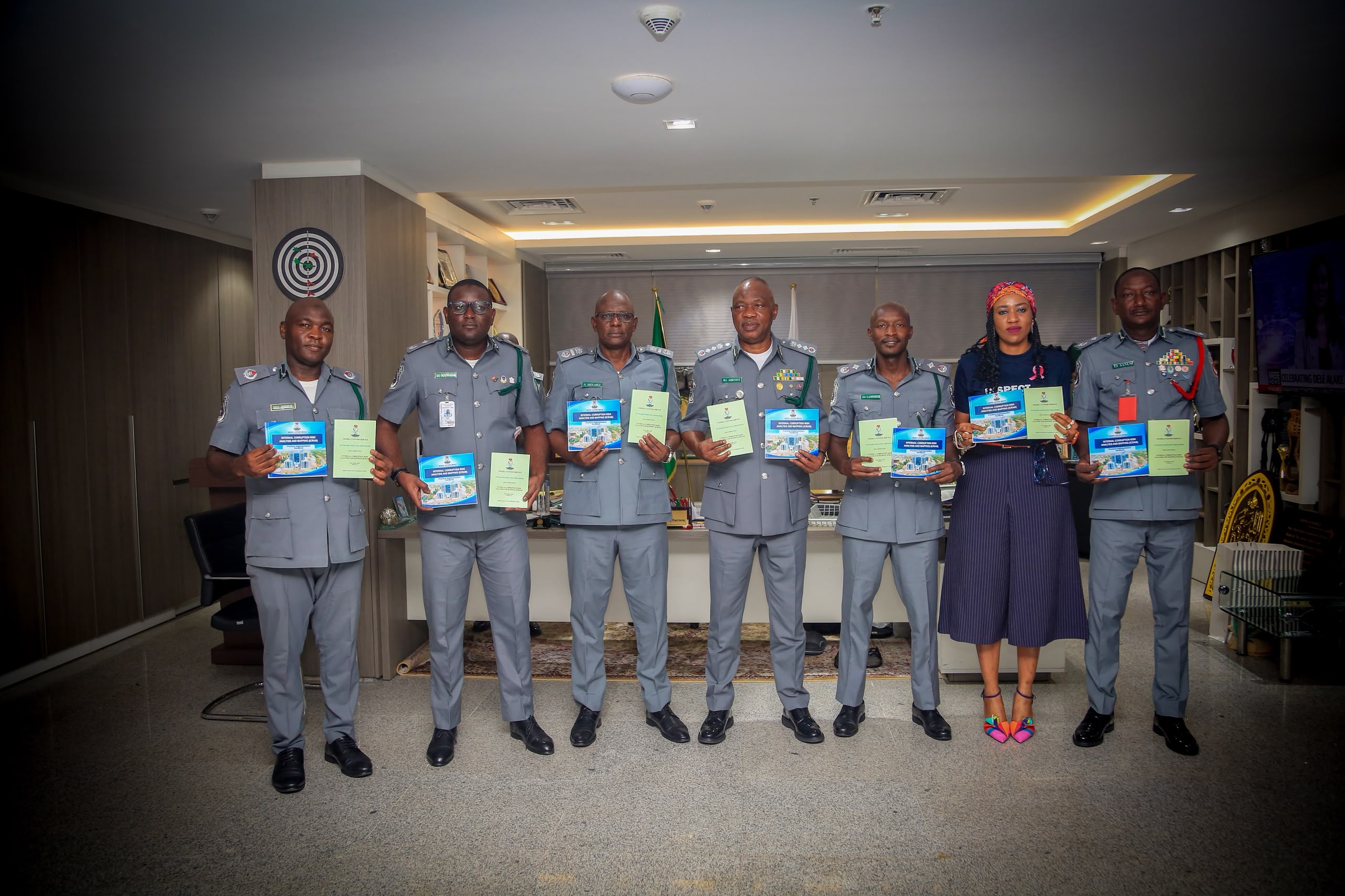
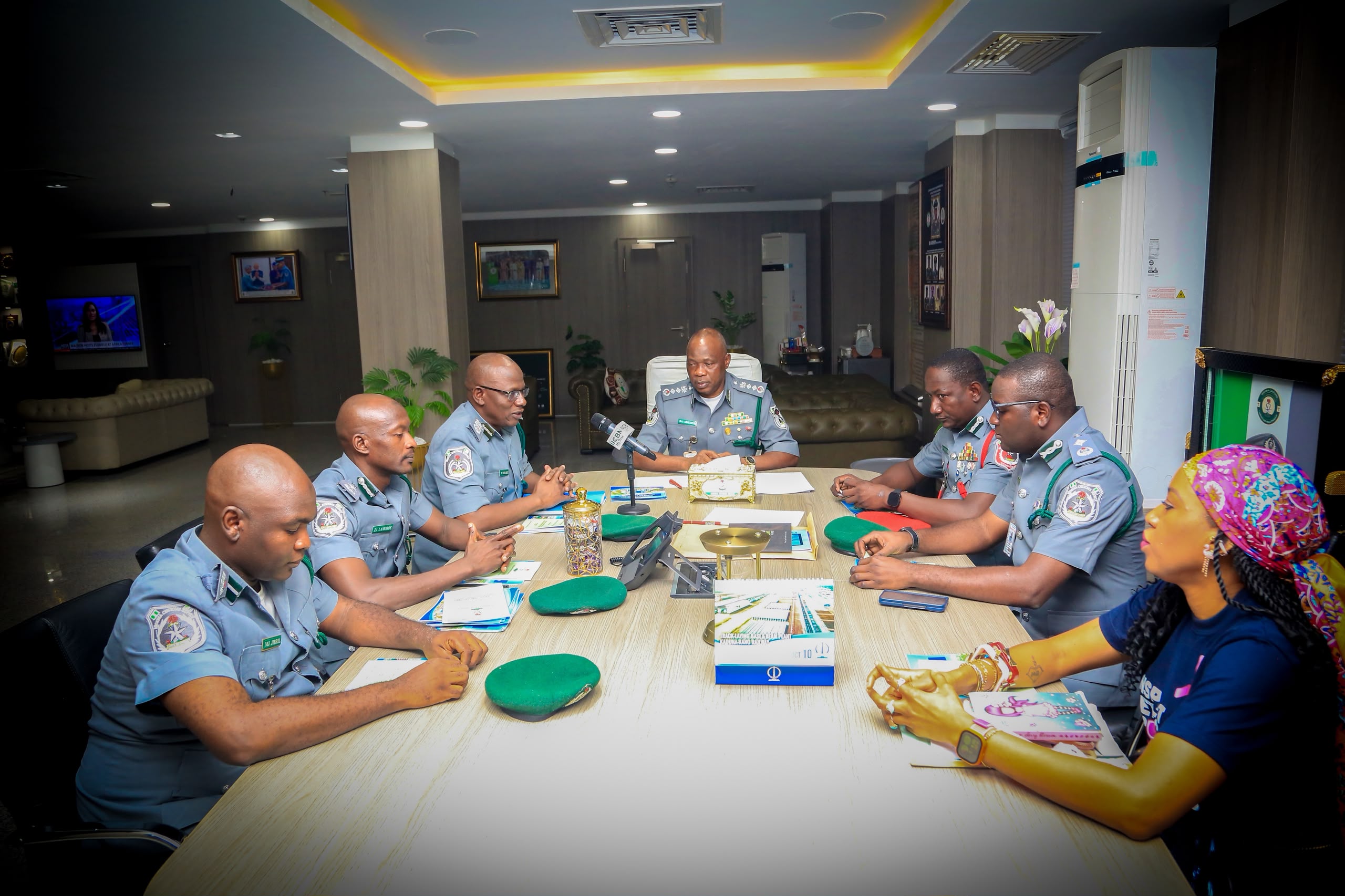 Adeniyi gave the directive on Tuesday, October 6, 2026, at the NCS Headquarters in Maitama, Abuja, where he formally signed the Standard Operating Procedure (SOP) for Conducting Internal Corruption Risk Analysis and Mapping (ICRAM), the ICRAM Handbook and the Integrity Action Plan (IAP).
The Comptroller-General also formally activated the ICRAM Steering Committee, marking a major step in the Service’s efforts to systematically identify, assess and address corruption risks across its operational and administrative processes.
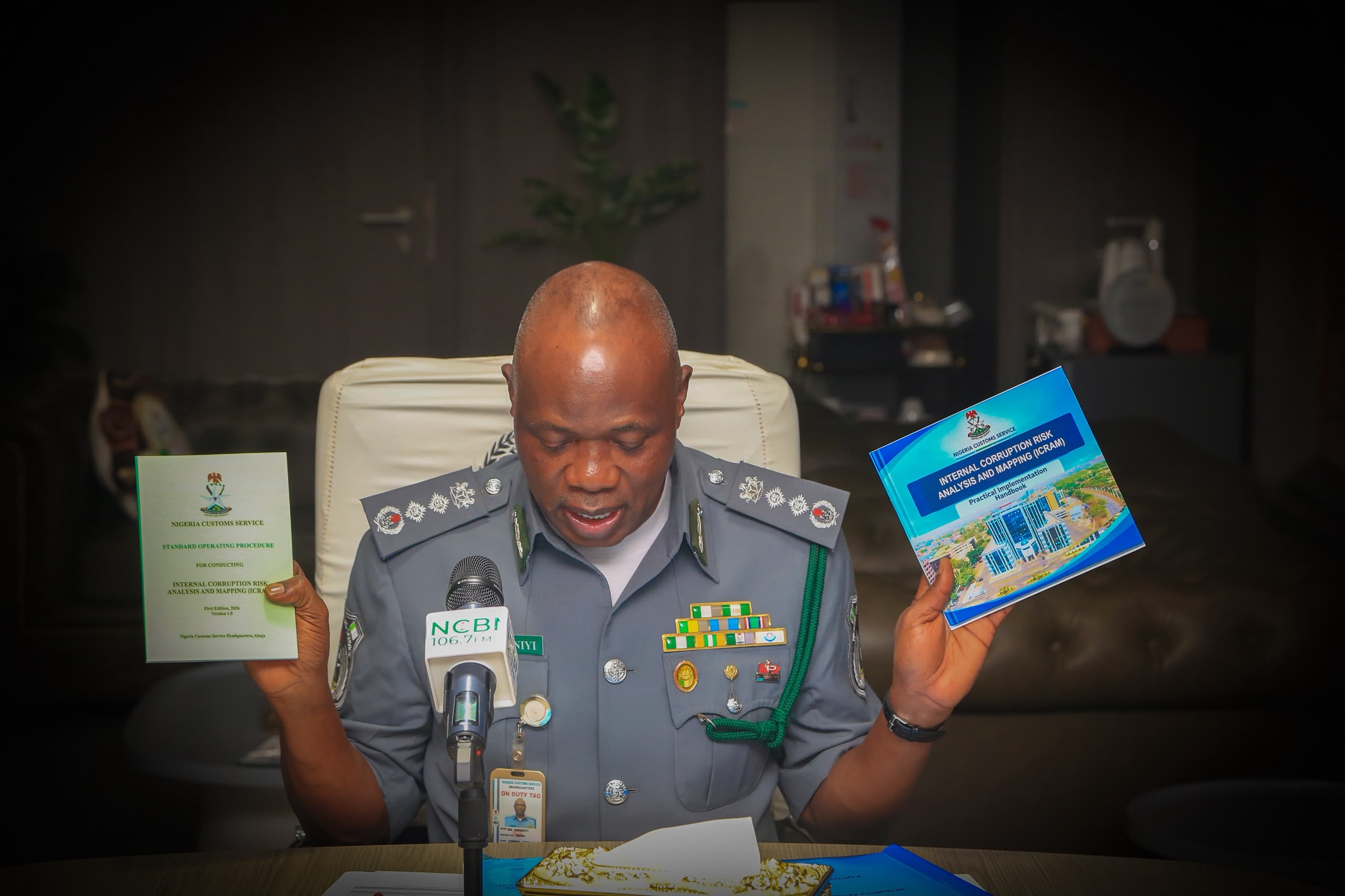 Speaking at the ceremony, Adeniyi said the documents were the outcome of an extensive collaborative process involving the NCS, the World Customs Organisation (WCO) and partner administrations, including the United Kingdom’s His Majesty’s Revenue and Customs (HMRC).
He said the initiative was designed to ensure that integrity remains at the centre of Customs operations, particularly at ports, border posts and airports.
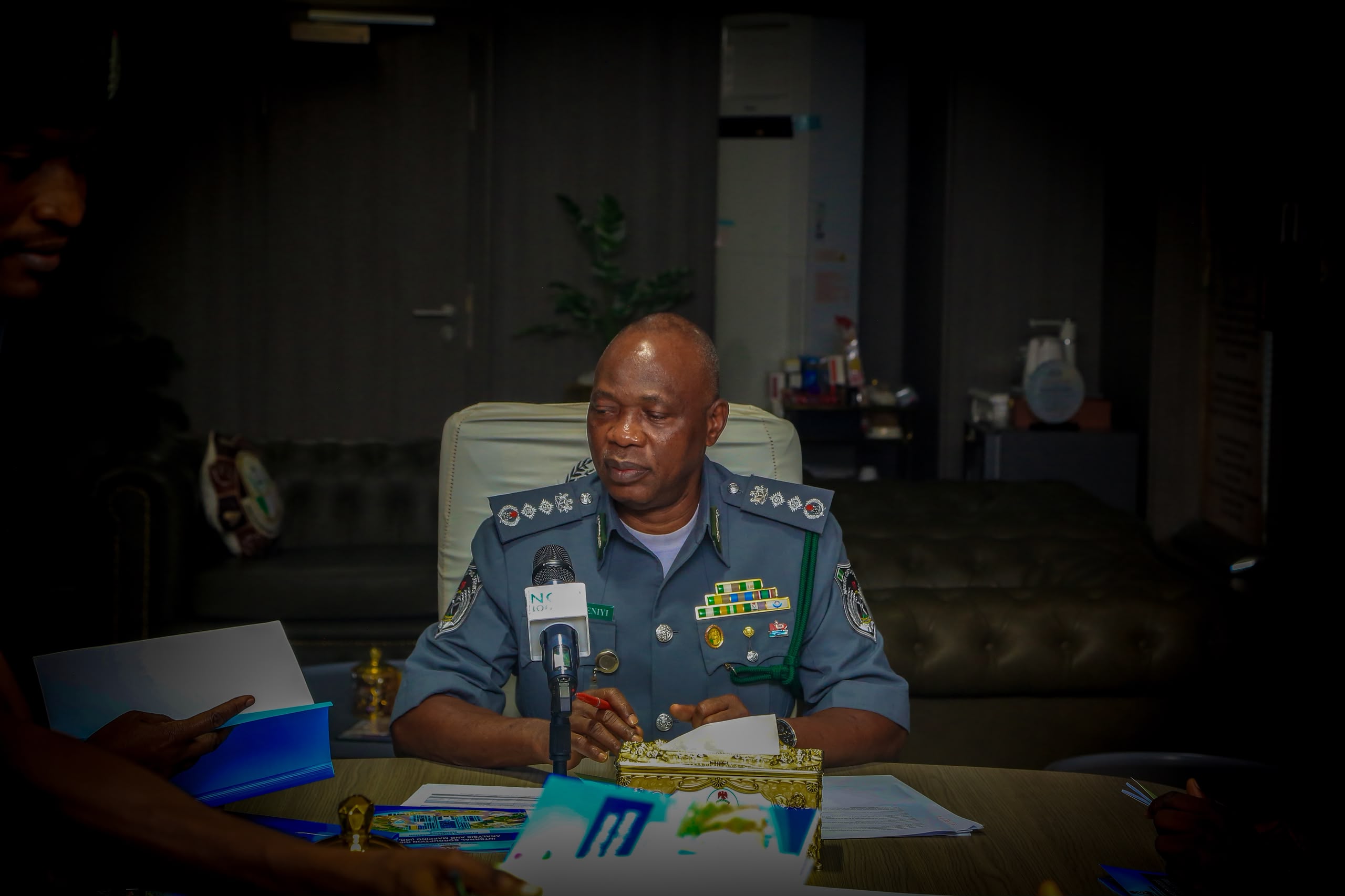 “These two documents are products of a painstaking process which we have undertaken with efforts from an internal team working together with our partners from the WCO and a number of other Customs administrations that have walked this path with us to ensure that we have a Service where integrity leads,” Adeniyi said.
According to him, the new framework provides Customs officers with practical tools to identify corruption vulnerabilities within their areas of responsibility and implement targeted measures to mitigate or eliminate identified risks.
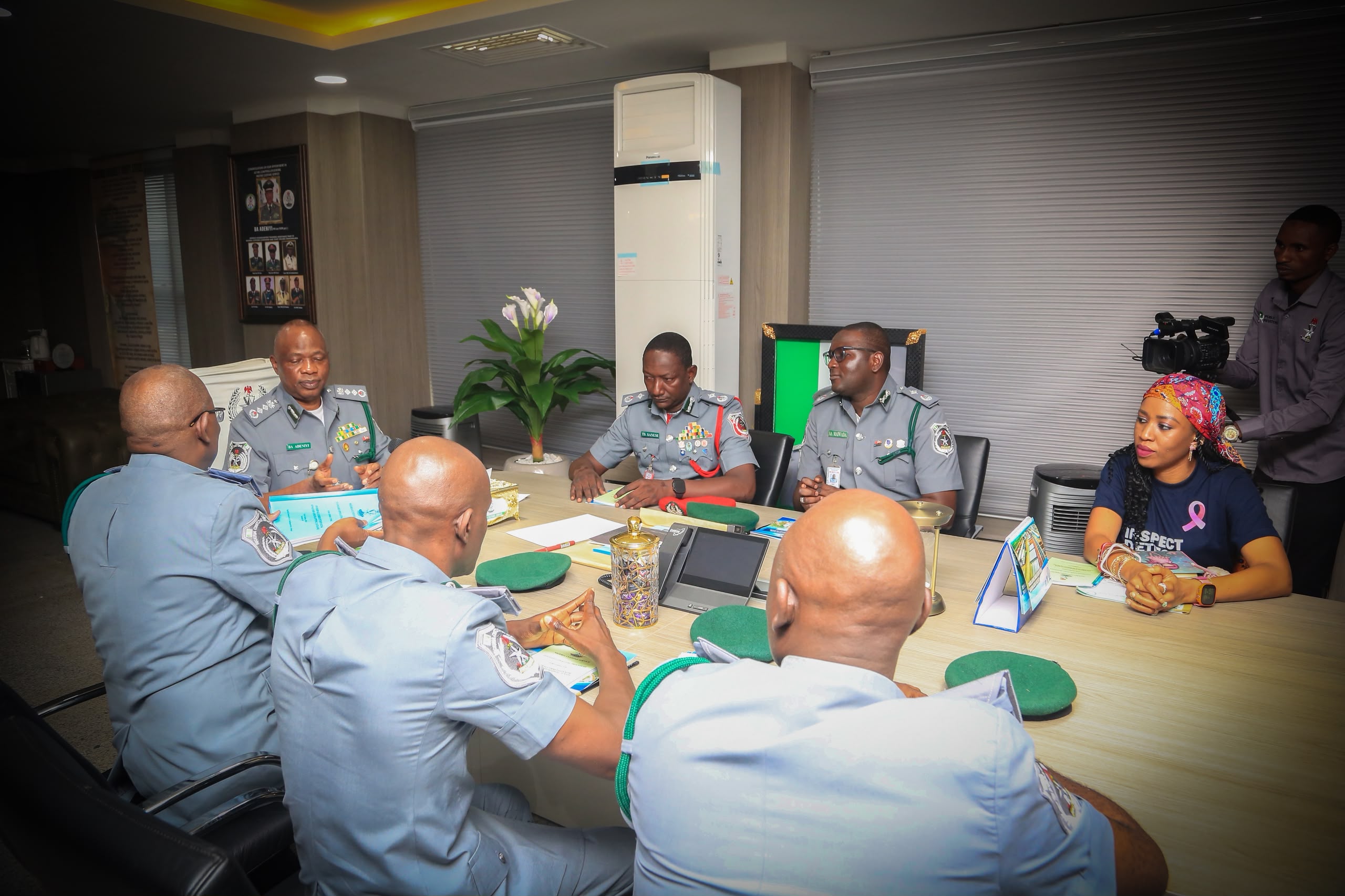 “We want to believe that we have laid a practical step, very easy to follow, for all our operatives at the ports, the borders, and the airports, to be able to conduct corruption risk mapping in their places, giving them the opportunity and capacity to implement the action plan to instil integrity in our system,” he added.
Earlier, the Assistant Comptroller-General of Customs in charge of the Strategic Research and Policy Department, ACG Nafi’u Isyaku, led senior officers in presenting the ICRAM documents and sought approval for their full implementation across the Service.
The ICRAM methodology had previously been piloted across seven key commands and units, covering 66 processes spanning regulatory, core Customs and support functions.
The pilot covered operations across the three major modalities and specialised units, including:
Sea Modality: Apapa Area Command
Air Modality: Murtala Muhammed Cargo (MMAC) and Murtala Muhammed International Airport (MMIA) Commands
Land Modality: Seme Area Command
Specialised Units: Customs Police Unit Zone A, PAAR Ruling Centre and the Procurement Unit
The pilot exercise resulted in the development of a comprehensive Integrity Action Plan containing 101 Action Items and 295 Sub-Action Items.
The action plan focuses on key anti-corruption measures, including greater automation of processes, stronger supervision and accountability, improved audit trails and traceability, clearer segregation of duties, regular staff rotation, targeted training and enhanced controls in interactions between officers and stakeholders.
The rollout of the framework is expected to strengthen the NCS’s ability to proactively identify corruption vulnerabilities, close operational loopholes and promote greater transparency and accountability throughout the Service.
With the activation of the ICRAM Steering Committee and the directive for nationwide implementation, the Customs Service is positioning internal corruption risk management as a continuous component of its operational and administrative processes.










Integrate Security Awareness Into School Curriculum, Tantita Executive Urges FG

LASWA Calls For Homegrown Multimodal Transport Model

Tantita Security Calls For Overhaul Of Nigeria’s Maritime Security System

Dredgers Association Disowns Report Alleging Extortion Against Lagos Commissioner Alebiosu

Customs FOU Zone A Intercepts Five Live Pangolins In Ogun, Hands Over To Wildlife Centre

Blue Line: LAMATA To Add Alakija, FESTAC, Trade Fair Stations By February 2027

Lagos Blue Economy: Govt Engages Riverine Women Leaders On Inclusion, Sustainable Development

NFVCB Moves To Take Nollywood To China As Board Meets China Film Administration

NIHOTOUR Honours Tinubu With Highest Tourism Award As President Backs Sector Reforms

Oyetola Inaugurates NIMBEX Committee To Drive Maritime Investment

Customs Operation Whirlwind Seizes 38,700 Litres Of Smuggled Fuel In Adamawa, Worth N63.1m

Operation Sea Guardian: NIMASA Cracks Down On Cabotage Violators In Lagos Waters

NCS FOU Zone C Seizes 3,310 Jerrycans of Smuggled Vegetable Oil Worth ₦403.5m

Compt Joe Anani Records ₦178 billionin Revenue; Handover Leadership to DC MIiko

APAPA PORT COMMAND INTERCEPTS ₦26.5B CANNABIS INDICA CONCEALED WITH IMPORTED VEHICLES

Revenue Boost: Apapa Customs Record ₦28 Billion in 24 Hours; Strengthens Government’s Revenue.

NIMASA Strengthens Partnership on Seafarer’s Warfare with Mission to Seafarers (MtS)

Nigeria Customs Raises Breast Cancer Awareness in Abuja, Secures ₦50m Pledge

NIMASA Deepen Collaboration with NSIB to Promote Maritime Safety, Security

NRC Unveils Plans to Electrify Major Rail Corridors From Lagos, Warri Within 5 Years

NIMASA to sponsor 10 staff annually for Master’s degrees under renewed WMU partnership

DC ADEWOLE VISITS ASEYIN OF ISEYIN LAND AND SOUN OF OGBOMOSHO, SEEKS TRADITIONAL SUPPORT AGAINST SMUGGLING

NIMASA DG GETS AWARD OF RECOGNITION ON IMPACTFUL MENTORSHIP FROM ALMA MATER
