
Economy
LASWA Launches First Ferry Safety Development and Mentoring Programme in Lagos

By Stella Okocha
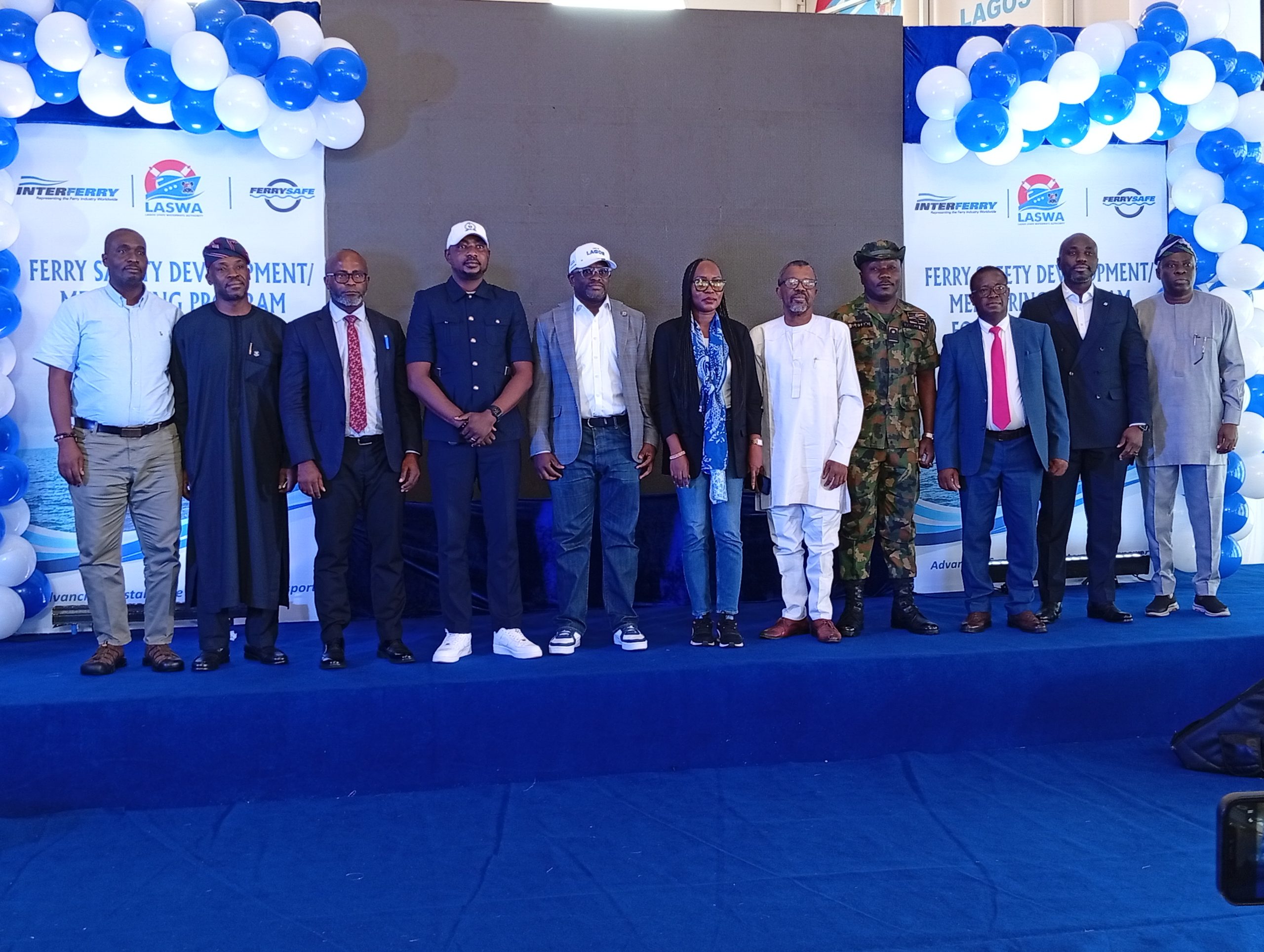
The Lagos State Government through the extension of the Lagos State Waterways Authority (LASWA) , officially launched its first Ferry Safety Development and Mentoring Programme,.
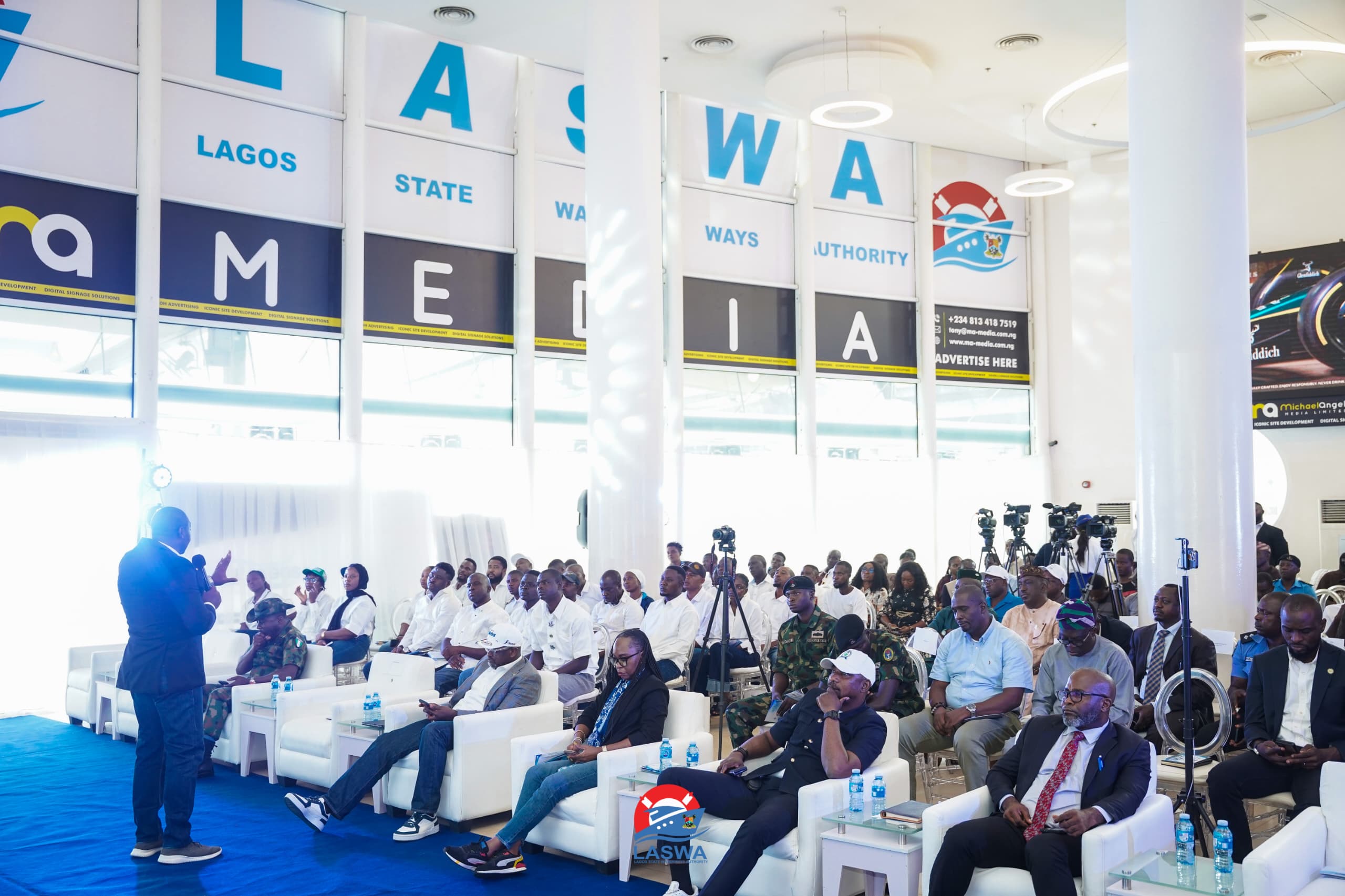
The program reaffirms the government’s commitment t to this cause as renewed vigor and ambition towards safer waterways, and also seen as a major step toward building a secure and globally competitive blue economy.
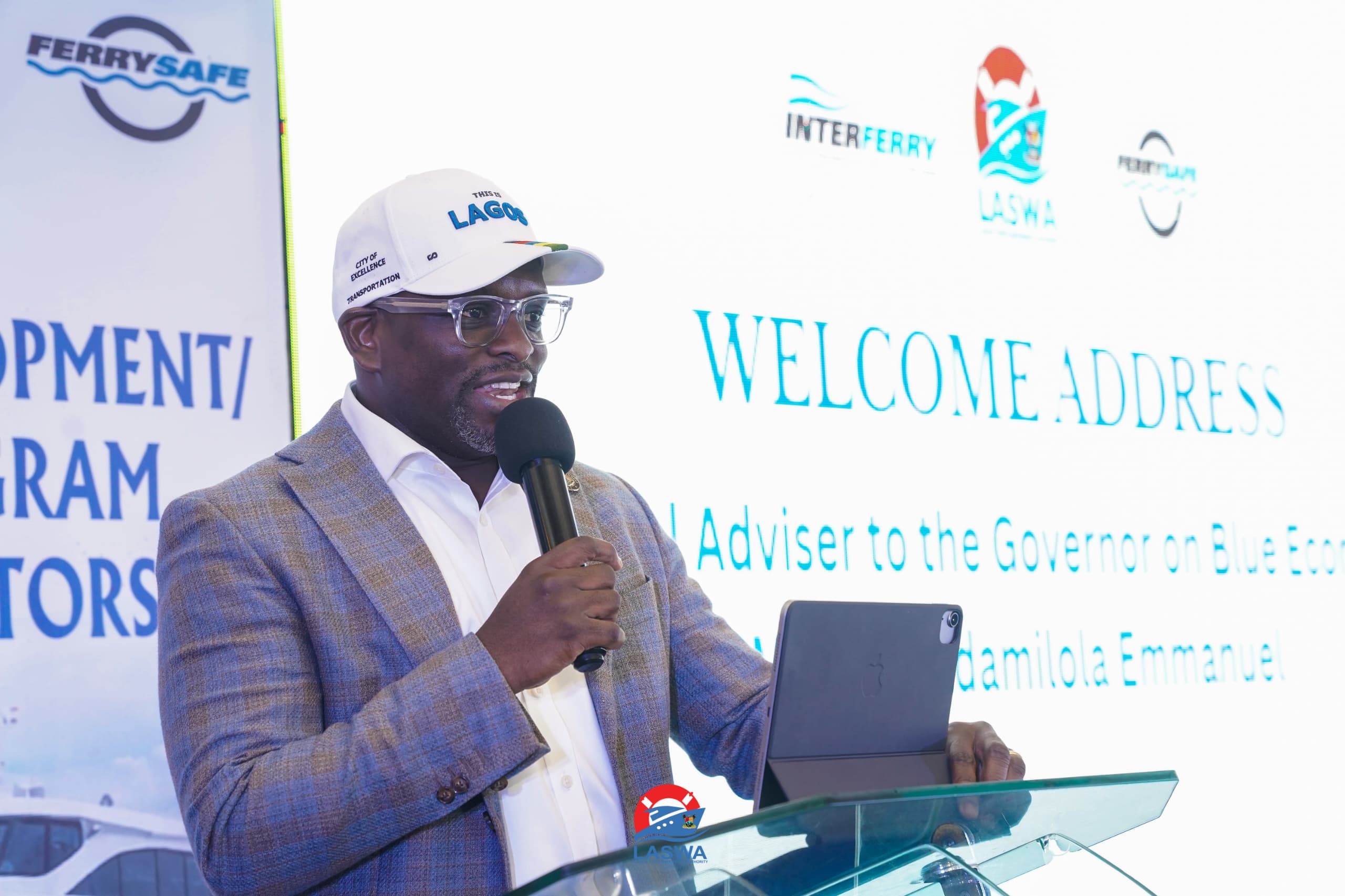
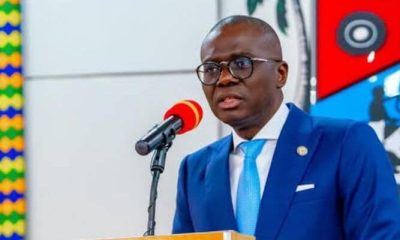
The Special Adviser to the Governor on Blue Economy and Managing Director of LASWA, Mr. Oluwadamilola Emmanuel, while speaking during the programme at the LASWA headquarters in Lagos on Wednesday, said the initiative reflects the state’s deliberate efforts to prioritise safety while expanding water transportation.
Mr Oluwadamilola while describing the initiative as historic, stressed that improving safety across Lagos waterways is not optional but a critical responsibility.; noting that the blue economy remains central to the development agenda of President Bola Tinubu’s administration.
According to him, the programme will combine self-paced learning, virtual mentorship, and practical hands-on sessions, ensuring participants gain both theoretical knowledge and real-world experience.
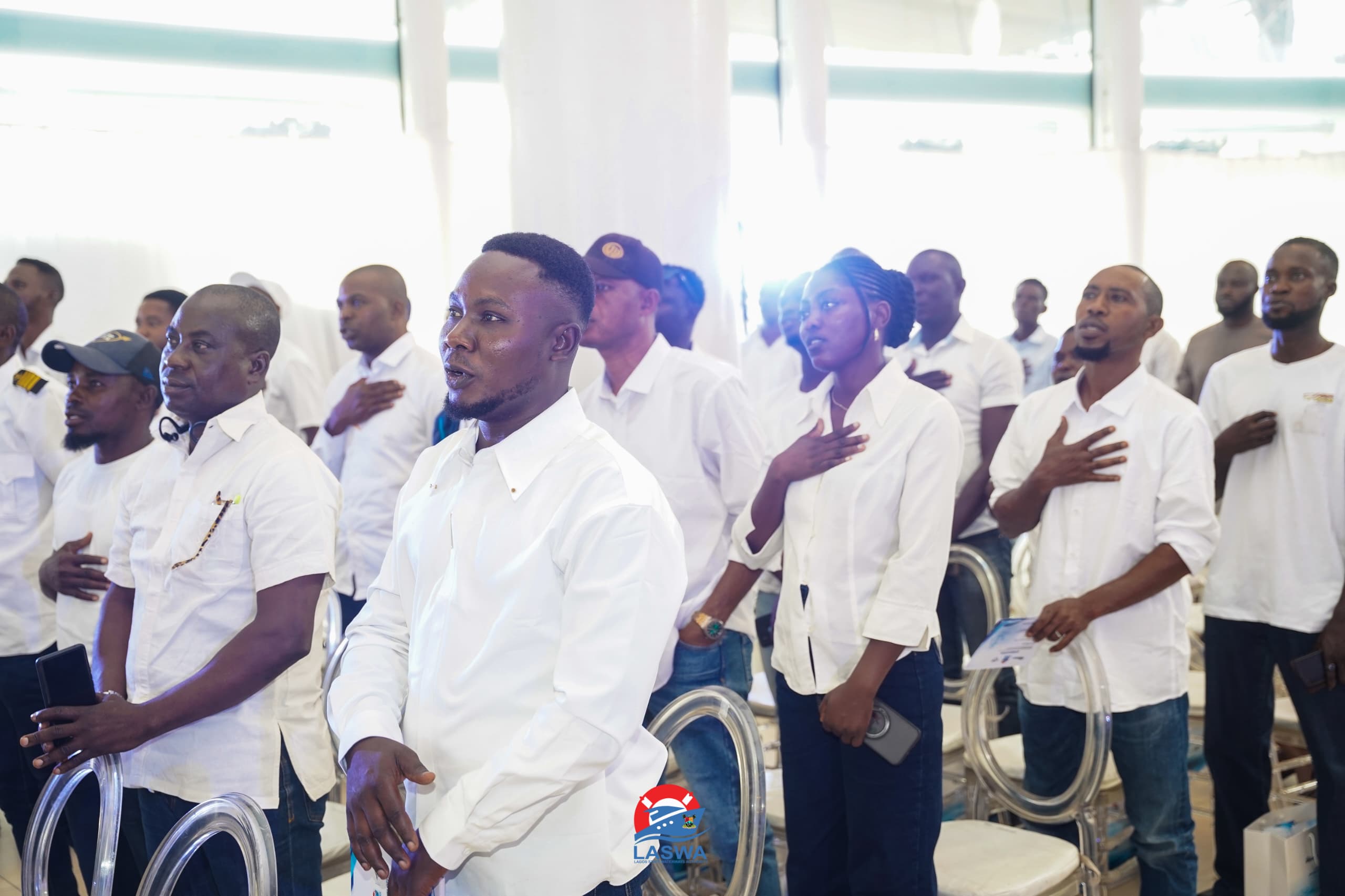
He explained that over the next 18 months, 50 selected ferry professionals—including captains, engineers, deckhands, and safety officers—will undergo intensive training designed to enhance their technical capacity and operational efficiency.
According to the special adviser, “Over the next 18 months, fifty exceptional ferry professionals will embark on a transformative journey of training and mentorship, guided by world-class experts from Interferry and Nigeria’s leading maritime institutions” .
He added that the mentorship programme, which is organised by LASWA in collaboration with Interferry, a global ferry association with consultative status at the International Maritime Organization (IMO), brings together key stakeholders in the maritime sector to strengthen operational standards.
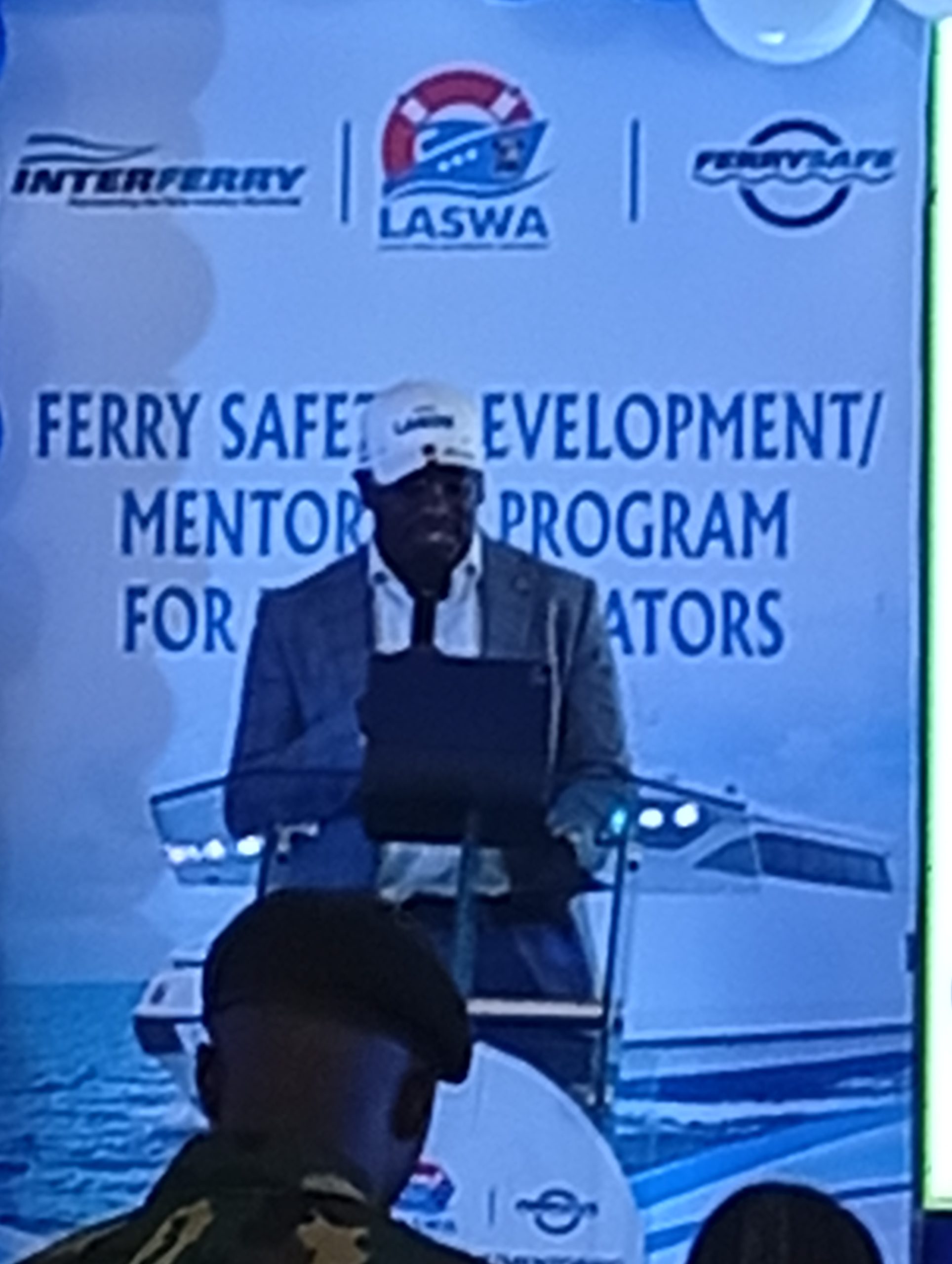
“This collaboration with Interferry underscores Lagos State’s strong commitment to protecting lives on our waterways and ensuring that every journey is safe,” Emmanuel said, urging participants to see the training as both a privilege and a huge responsibility to take full advantage of the opportunity.
The Chief Executive Officer of Interferry, Mr. Mike Corrigan, while giving his speech at the event, said the initiative is part of a broader global effort to improve ferry safety in emerging economies while supporting sustainable economic growth.
Corrigan noted that similar programmes had previously been implemented in Asia-Pacific countries such as the Philippines and Indonesia, before expanding to Africa in 2024 in response to growing safety concerns.
He revealed that a series of workshops held in cities like Dar es Salaam and Marrakesh laid the groundwork for the initiative, while a major regional safety conference hosted in Lagos in 2025 attracted about 250 industry stakeholders.
According to him, that conference ultimately led to the development of the current 18-month mentorship programme, which features structured training modules and ongoing support from Interferry experts and international volunteers.
He added that the organisation remains committed to long-term collaboration, with plans to extend the programme across Nigeria and other African countries to significantly improve safety standards for both passengers and crew.
In a goodwill remark, Mr. Kelvin Abah of the National Inland Waterways Authority (NIWA) commended LASWA and Interferry for the initiative, describing it as a critical intervention in the sector.
Abah emphasised that safety on the waterways is a collective responsibility, adding that efficient and reliable water transport is essential for unlocking the full potential of the blue economy. He noted that Lagos is setting a commendable benchmark for other states.
Mr. Stanley Wali of the Health and Safety department of the Nigerian Maritime Administration and Safety Agency (NIMASA), described the programme as timely, citing that it represents a bold step toward strengthening safety standards across Nigeria’s maritime industry.
Wali reaffirmed NIMASA’s commitment to upholding international maritime conventions, advocating that increased knowledge sharing and collaboration among stakeholders would play a vital role in reducing accidents and improving overall safety on the waterways.







Oyetola Inaugurates Technical Committee to Accelerate Fish Production in Nigeria.

IBOM AIR Expands Fleets, Takes Delivery of Third Airbus A220-300

DC Salako Assumes Office as Acting CAC of Llilypond Command as Compt. Ariyibi Retires.

Customs, WCO, UKID Partners on Anti-Corruption Risk Mapping, SOPs.

DCG Tijanni Abe Retires Honourably After 35 Years of Meritorious Service.

Revenue Boost: Apapa Customs Record ₦28 Billion in 24 Hours; Strengthens Government’s Revenue.

Customs Handsover 399 JOJEF Pump-Action, 535 Assorted Component Parts to NCCSALW, Arraign 2 Suspects.

NCS Says Anti-Corruption Measures is Paying Off; Highlights Integrity Reforms, as Adeogun Wins IMPR

Apapa Customs Command Smash Revenue Collection Records; Generates 323 Billion in one Month

PTML Holds Leadership Seminar to Enhance Service Delivery, as Miko Rewards two Officers

Ogun 1 Command Confiscates Parcels of Ghana Loud, Record Multiple Seizures with DPV of over 3Billion

Vanguard Alumni set to Launch ‘The Chronology of Vanguard’ at Anniversary Event

Compt Joe Anani Records ₦178 billionin Revenue; Handover Leadership to DC MIiko

NIMASA Deepen Collaboration with NSIB to Promote Maritime Safety, Security

NIMASA to sponsor 10 staff annually for Master’s degrees under renewed WMU partnership

NRC Unveils Plans to Electrify Major Rail Corridors From Lagos, Warri Within 5 Years

NIMASA Strengthens Partnership on Seafarer’s Warfare with Mission to Seafarers (MtS)

DC ADEWOLE VISITS ASEYIN OF ISEYIN LAND AND SOUN OF OGBOMOSHO, SEEKS TRADITIONAL SUPPORT AGAINST SMUGGLING

NCS FOU Zone C Seizes 3,310 Jerrycans of Smuggled Vegetable Oil Worth ₦403.5m

LASWA, Interferry Commence Practical Phase of Ferry Safety Development Programme

APAPA PORT COMMAND INTERCEPTS ₦26.5B CANNABIS INDICA CONCEALED WITH IMPORTED VEHICLES

NIMASA DG GETS AWARD OF RECOGNITION ON IMPACTFUL MENTORSHIP FROM ALMA MATER

DCG Dera Nnadi Bids Farewell To NCS, Celebrates Legacy of Service
