Customs Bilateral Technology
NCS, Benin Customs Move to Digitise Sèmè–Kraké Border, End ‘Two Posts Sharing a Car Park’

By Stella Okocha
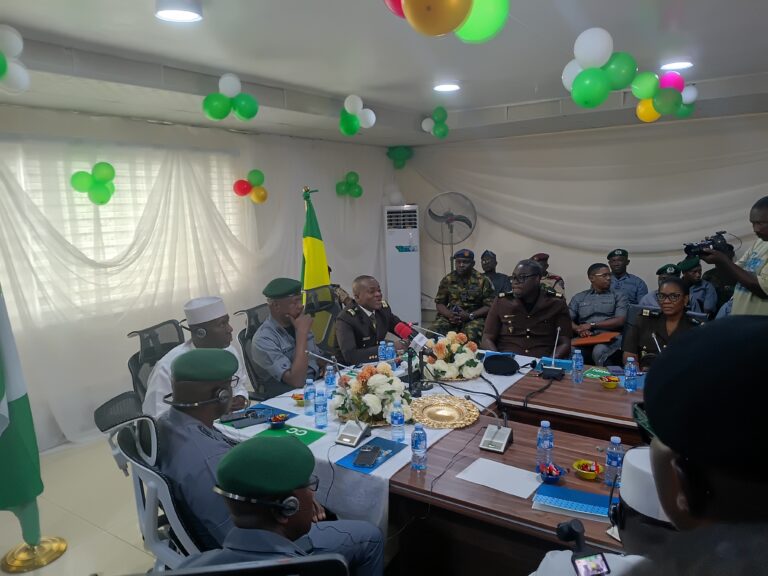
The Nigeria Customs Service (NCS) and the Benin Republic Customs Administration have agreed to transform the Sèmè–Kraké Joint Border Post into a technology-driven model border crossing, with a new framework focused on seamless trade, stronger security and deeper bilateral cooperation.
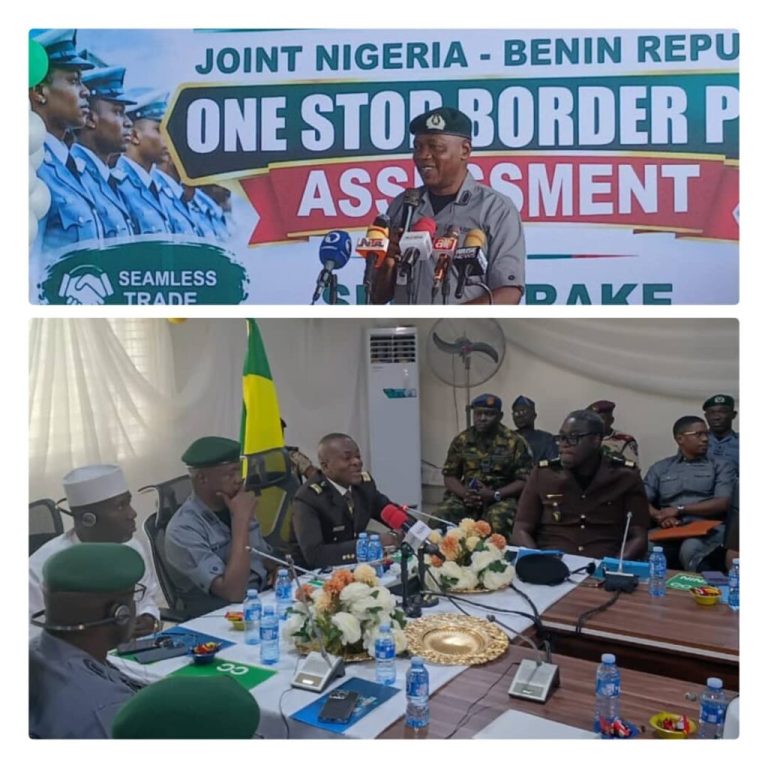
The Comptroller-General of the NCS, Bashir Adewale Adeniyi, disclosed this on Friday, September 11, 2026 during a joint Nigeria-Benin Republic assessment of the One Stop Border Post at Sèmè.
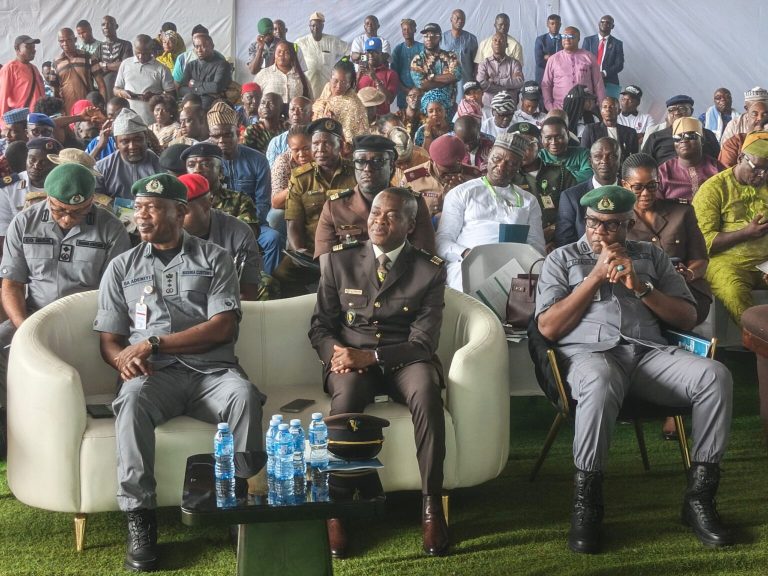 The assessment, tagged “Leveraging the Nigeria Customs Service Trade Modernisation Project to Advance Seamless Cross-Border Trade and Shared Prosperity,” was conducted alongside the Directeur Général of Benin Customs, Col. Raouf Malehhossou Aboudou.
Adeniyi said the Sèmè–Kraké crossing must be approached as a strategic border modernisation programme, rather than a collection of isolated infrastructure repairs.
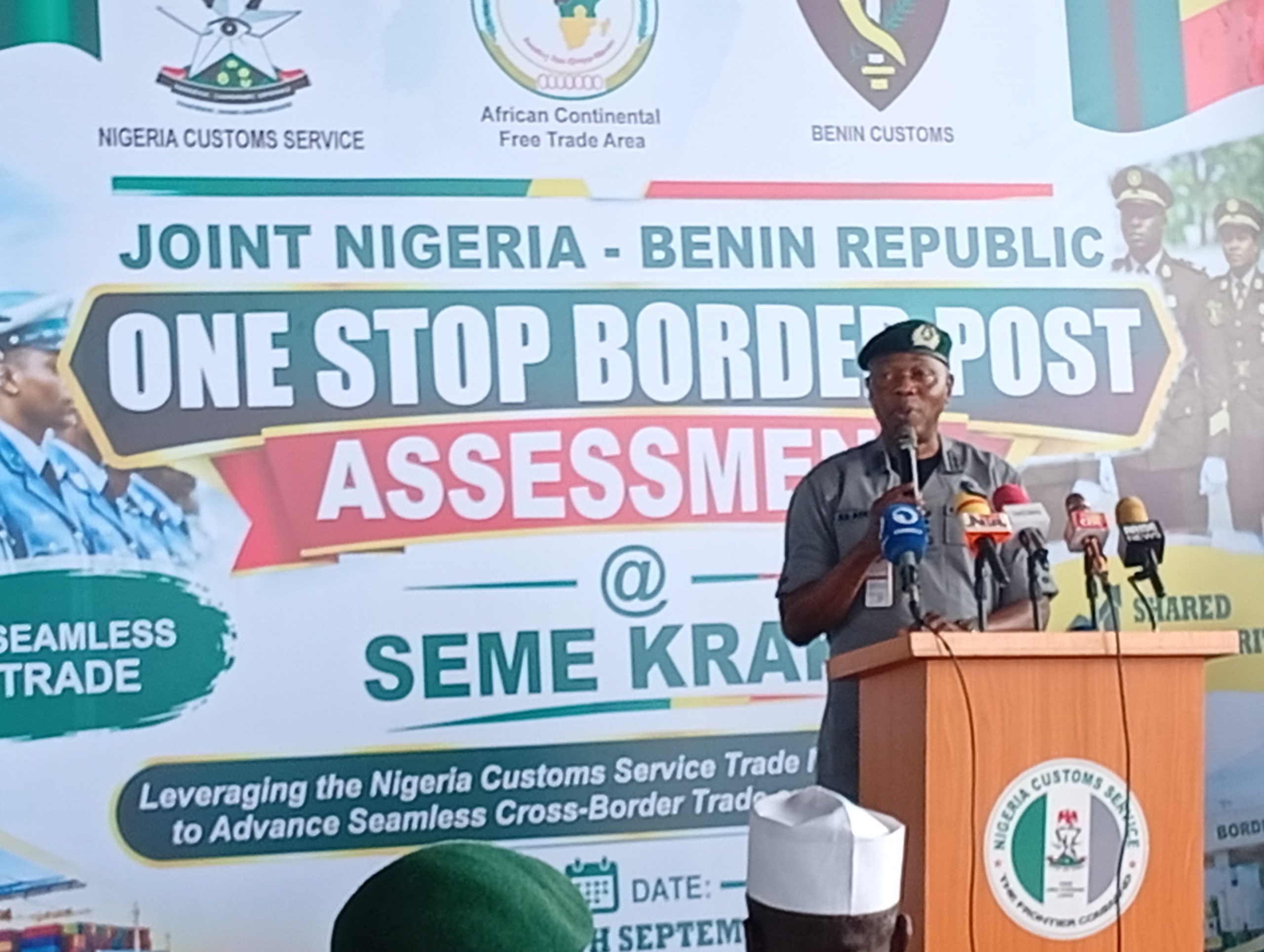 “What we seek to achieve here is that Sèmè–Kraké be treated as a strategic border modernisation programme, and not as a series of isolated repairs,” he said.
According to him, “this project will be anchored on Customs interconnectivity, joint risk management, coordinated enforcement, secure infrastructure, harmonised procedures and accountable joint governance”.
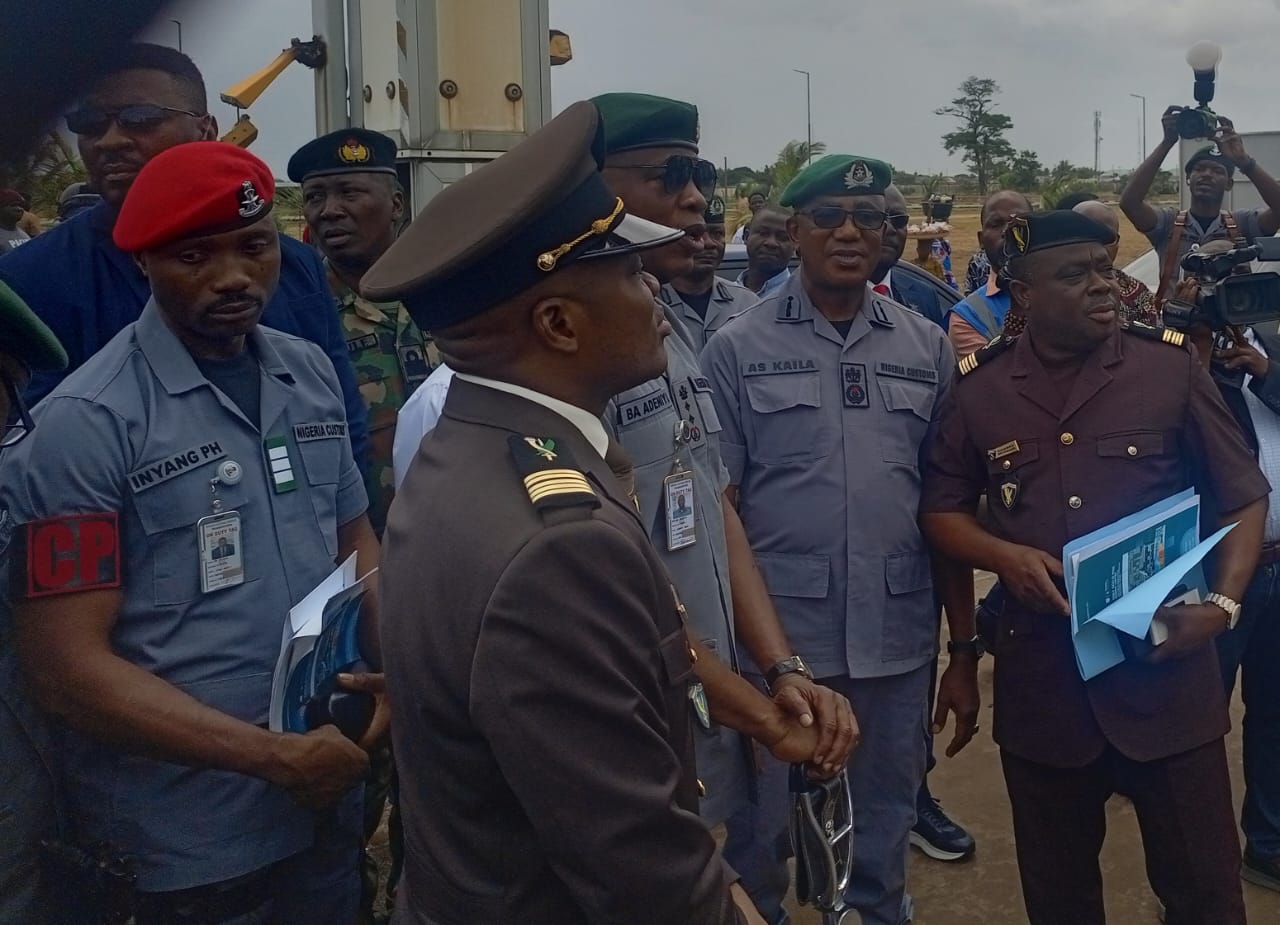 He said the successful transformation of the facility would provide a template for the modernisation of other border crossings across the West African region.
Adeniyi noted that the Sèmè–Kraké facility already possesses critical physical infrastructure, including lanes, parking areas, offices, a weighbridge and scanner housing.
However, he said the absence of full technological integration between the two Customs administrations remains a major obstacle to achieving the objectives of a genuine joint border post.
“Without interconnectivity, this is not a joint border post. It is two border posts sharing a car park,” the NCS boss said.
To address the gap, he disclosed that the NCS was working with Benin Customs on a common data-exchange arrangement that would enable declarations lodged on either side of the border to become visible to the other administration in real time.
 “The proposed system will also support the tracking of transit cargo from origin to destination and enable both Customs administrations to share risk profiles and enforcement alerts while the information remains operationally relevant”, he said.
Adeniyi said the modernisation programme would include the restoration of scanning capability, improved access control, enhanced surveillance and lighting, as well as the establishment of a permanent Nigeria-Benin enforcement and intelligence mechanism.
He also called for the development of harmonised bilingual standard operating procedures covering cargo handling, passengers, inspections, transit operations and incident escalation.
The Customs chief further advocated stronger joint risk management and an adequately empowered joint management structure to oversee shared infrastructure and operations.
As part of the broader reform, Adeniyi announced the launch of a dedicated facility to address the needs of women traders operating along the corridor.
In his words, “This initiative will provide simplified procedures for small consignments, information in languages commonly spoken by traders, accessible points of contact and a channel through which traders can report poor treatment”.
He said the measure was designed to encourage more women traders to enter the formal trading system while reducing harassment, extortion and unnecessary delays at the border.
Adeniyi said the initiative forms part of efforts to make the Sèmè–Kraké crossing more efficient, transparent and responsive to legitimate traders.
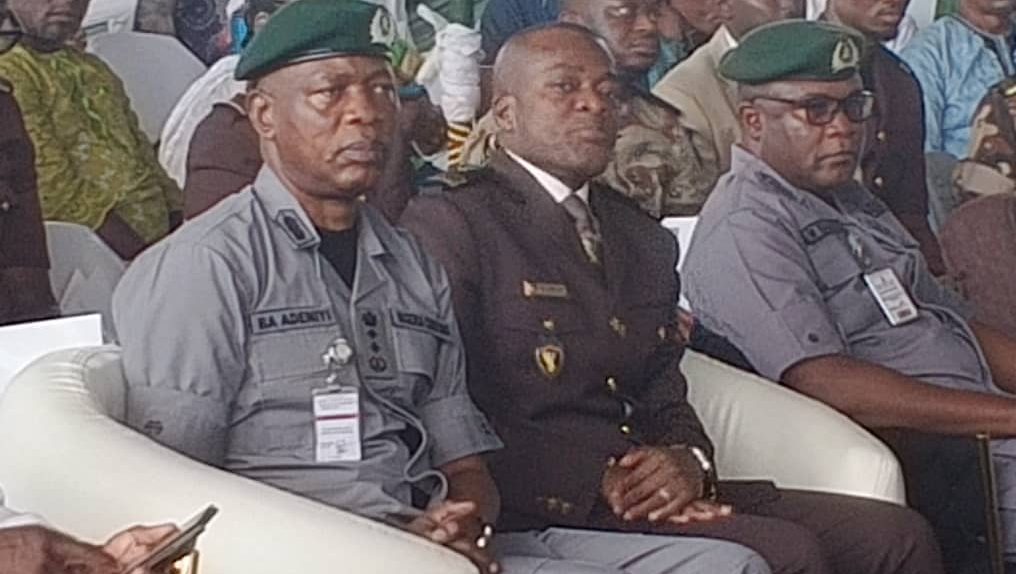
 While responding, the Directeur Général of Benin Customs, Col. Raouf Malehhossou Aboudou, expressed strong support for the initiative, describing the proposed recalibration of joint operations as critical to facilitating trans-border trade.
Aboudou commended Adeniyi for what he described as pragmatism and purposefulness in reinventing operational systems at the border.
He assured that the Benin Customs Administration would vigorously support the initiative, stressing that its officers and personnel were ready to work with their Nigerian counterparts to achieve the objectives of the joint effort.
 He noted that stronger bilateral Customs cooperation was essential to the effective operation of the Sèmè–Kraké corridor, where developments on either side of the border have direct implications for trade facilitation and enforcement.
In his welcome address, the Sèmè Customs Area Controller, Comptroller Abdullahi Shuaibu Kaila, commended both Customs chiefs for their commitment to taking operations along the Sèmè–Kraké corridor to a new level.
Kaila also pledged the command’s support for the renewed drive to facilitate seamless cross-border trade between Nigeria and Benin Republic.
He said stronger cooperation between the two administrations was critical to improving operations at the strategic border crossing, which plays an important role in Nigeria’s trade relationship with Benin Republic and the wider West African market.
Under the renewed operational framework, the Sèmè Command will continue to balance trade facilitation with border security, revenue protection and enforcement of applicable restrictions.













Integrate Security Awareness Into School Curriculum, Tantita Executive Urges FG

LASWA Calls For Homegrown Multimodal Transport Model

Tantita Security Calls For Overhaul Of Nigeria’s Maritime Security System

Dredgers Association Disowns Report Alleging Extortion Against Lagos Commissioner Alebiosu

Customs FOU Zone A Intercepts Five Live Pangolins In Ogun, Hands Over To Wildlife Centre

Blue Line: LAMATA To Add Alakija, FESTAC, Trade Fair Stations By February 2027

Lagos Blue Economy: Govt Engages Riverine Women Leaders On Inclusion, Sustainable Development

NFVCB Moves To Take Nollywood To China As Board Meets China Film Administration

NIHOTOUR Honours Tinubu With Highest Tourism Award As President Backs Sector Reforms

Oyetola Inaugurates NIMBEX Committee To Drive Maritime Investment

Customs Operation Whirlwind Seizes 38,700 Litres Of Smuggled Fuel In Adamawa, Worth N63.1m

Operation Sea Guardian: NIMASA Cracks Down On Cabotage Violators In Lagos Waters

NCS FOU Zone C Seizes 3,310 Jerrycans of Smuggled Vegetable Oil Worth ₦403.5m

Compt Joe Anani Records ₦178 billionin Revenue; Handover Leadership to DC MIiko

APAPA PORT COMMAND INTERCEPTS ₦26.5B CANNABIS INDICA CONCEALED WITH IMPORTED VEHICLES

Revenue Boost: Apapa Customs Record ₦28 Billion in 24 Hours; Strengthens Government’s Revenue.

NIMASA Strengthens Partnership on Seafarer’s Warfare with Mission to Seafarers (MtS)

Nigeria Customs Raises Breast Cancer Awareness in Abuja, Secures ₦50m Pledge

NIMASA Deepen Collaboration with NSIB to Promote Maritime Safety, Security

NRC Unveils Plans to Electrify Major Rail Corridors From Lagos, Warri Within 5 Years

NIMASA to sponsor 10 staff annually for Master’s degrees under renewed WMU partnership

DC ADEWOLE VISITS ASEYIN OF ISEYIN LAND AND SOUN OF OGBOMOSHO, SEEKS TRADITIONAL SUPPORT AGAINST SMUGGLING

NIMASA DG GETS AWARD OF RECOGNITION ON IMPACTFUL MENTORSHIP FROM ALMA MATER
